Fit & size
For children to enjoy hiking they need shoes that fit well. There should be about one centimeter of space between the toes and the front of the shoe so that toes don't bump against the tip when walking downhill. The best way is to remove the insole and place the bare foot on it – this makes it easy to check the length. Children's feet grow quickly, so it's advisable to regularly check whether the shoes still fit. Shoes that are too small pinch and deform the foot, while those that are too large increase the risk of tripping.
Support & sole
A good footbed supports the arch and prevents muscles from tiring too quickly. The sole should be non‑slip and well cushioned so that the child is safe even on rooty paths. At the same time it needs to be flexible enough to allow a natural roll. For longer tours a slightly stiffer sole may be appropriate, while lighter models are sufficient for walks.
Breathable materials
Children's feet sweat faster than adults' feet, so a breathable upper is particularly important. Moisture that cannot escape quickly leads to blisters. Many manufacturers combine leather with waterproof yet breathable membranes such as Gore‑Tex. What matters is that the material wicks moisture away while still protecting against light rain or puddles.
Ankle support & weight
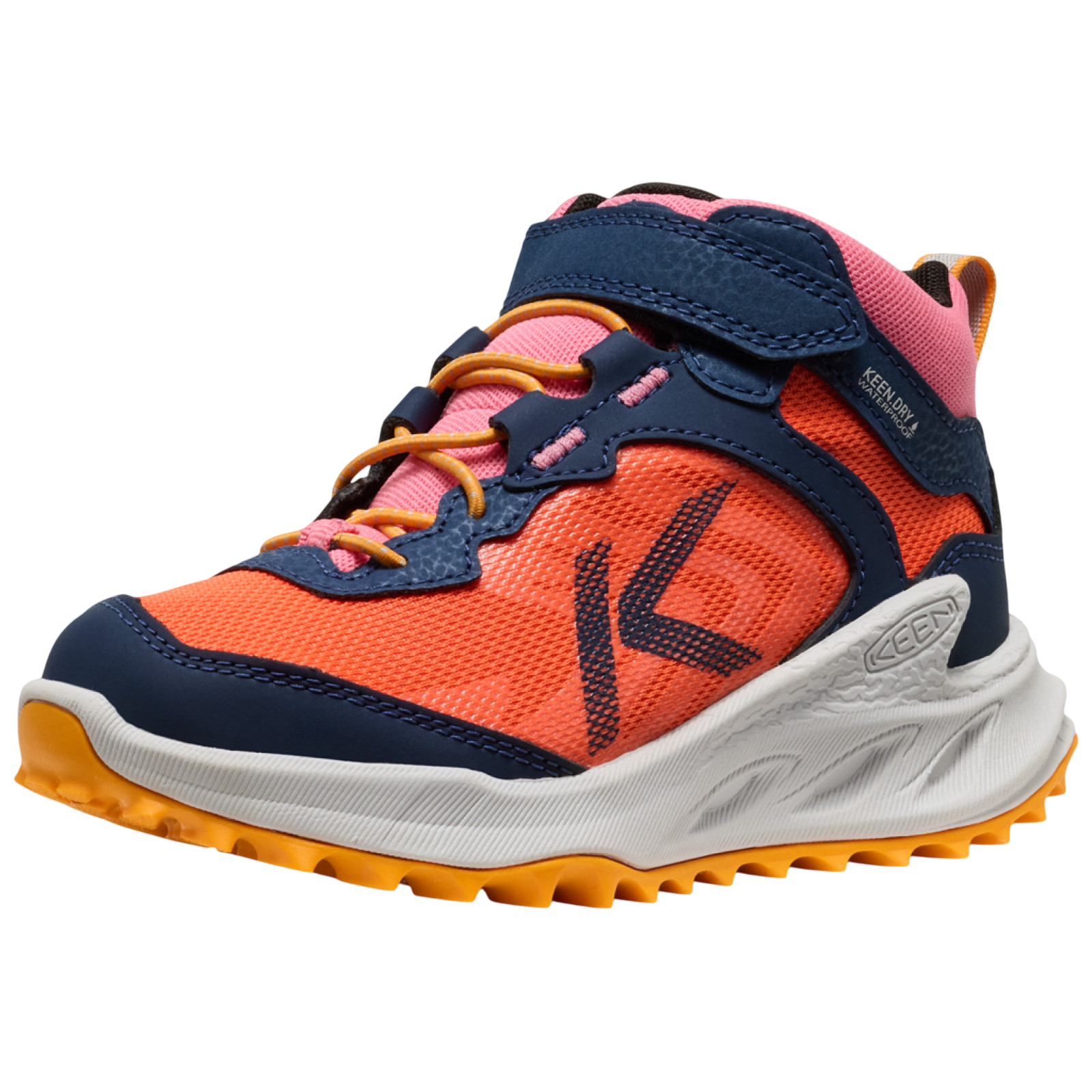
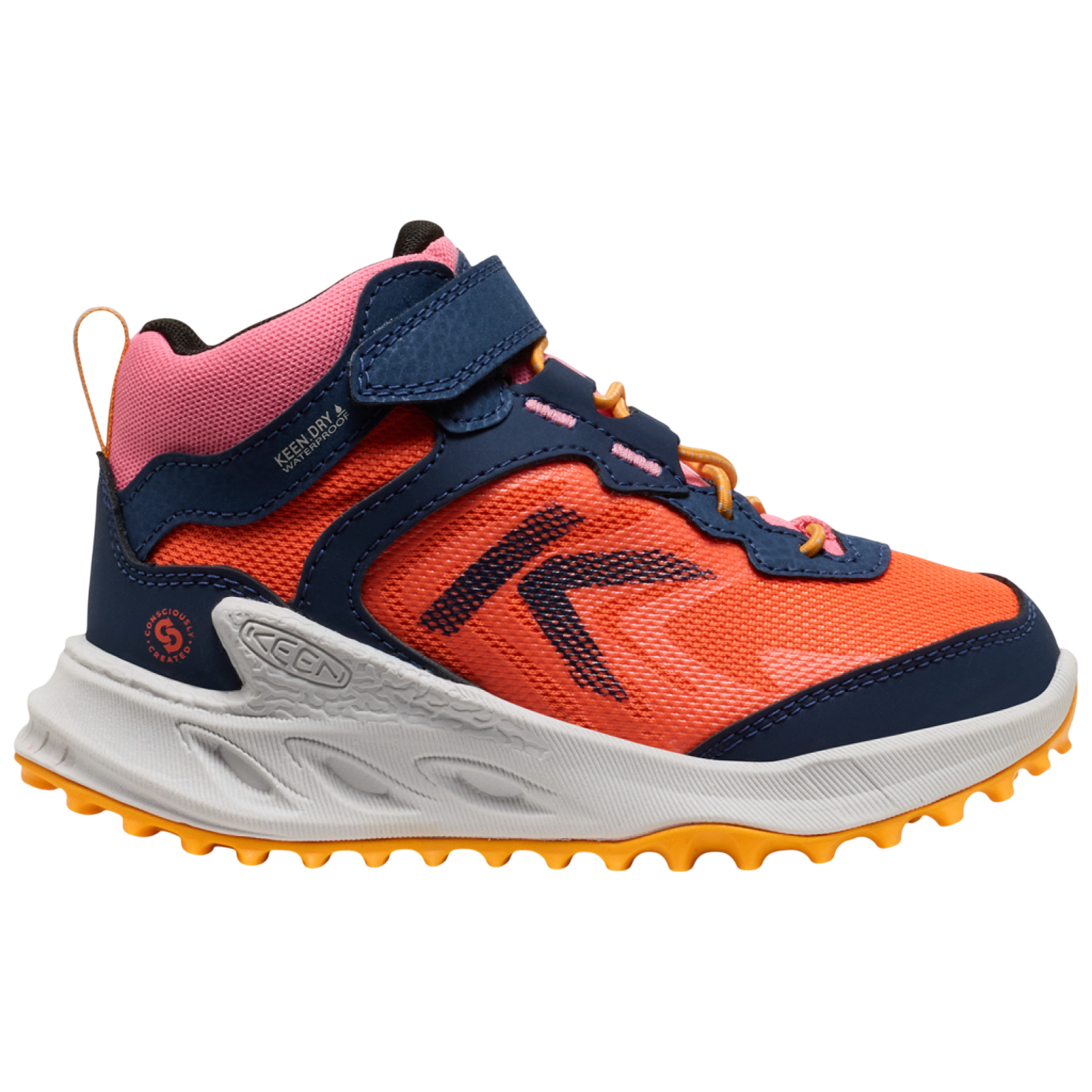
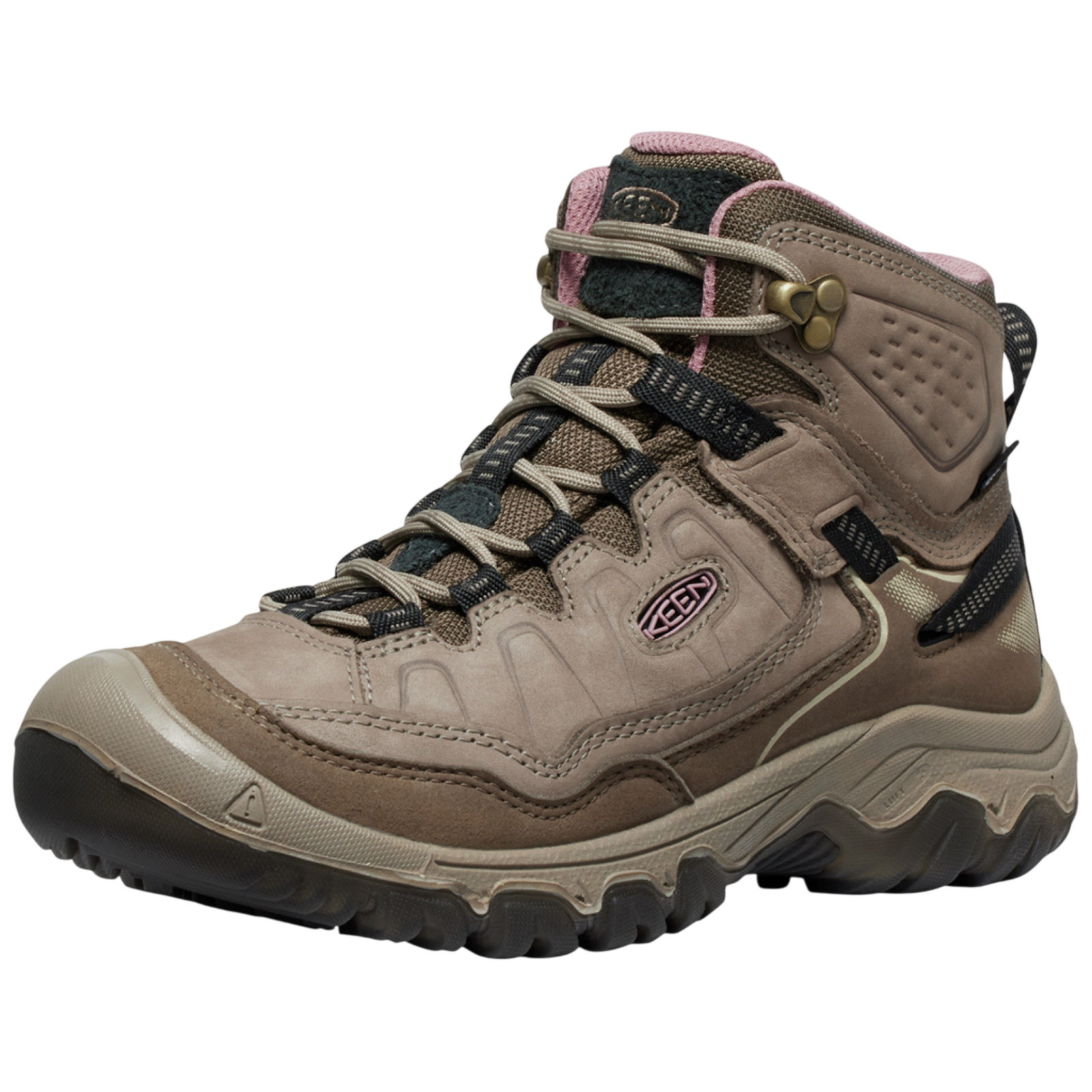
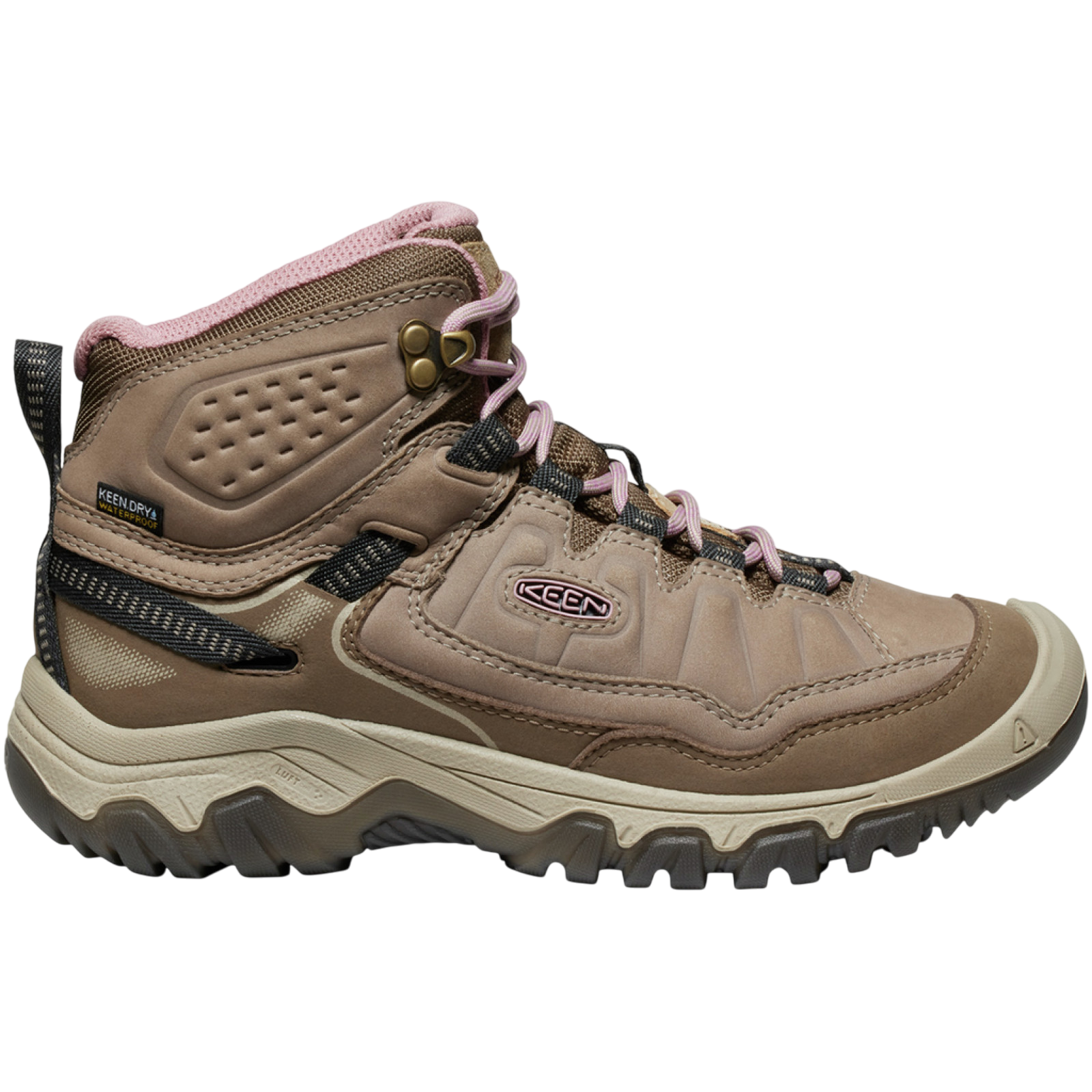
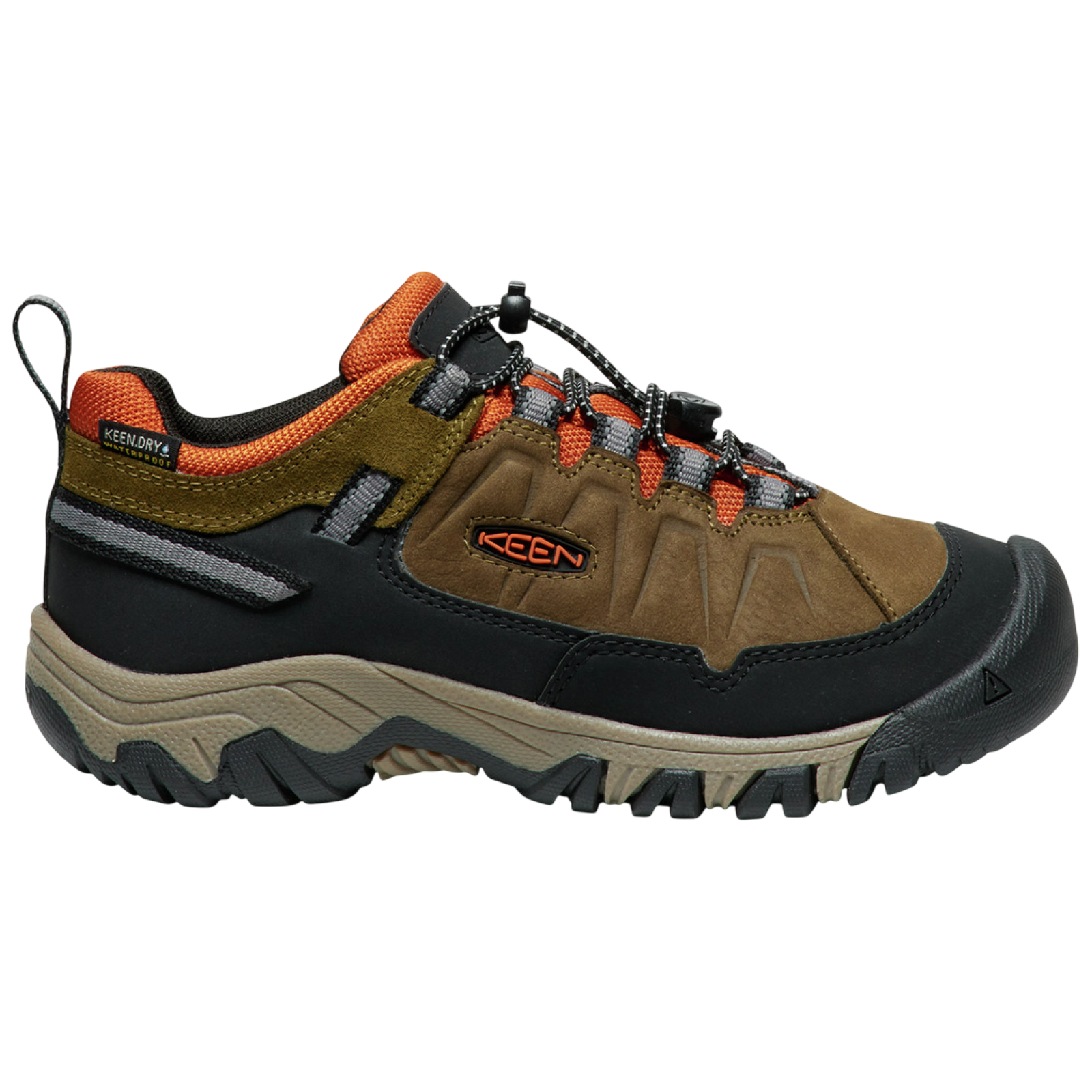
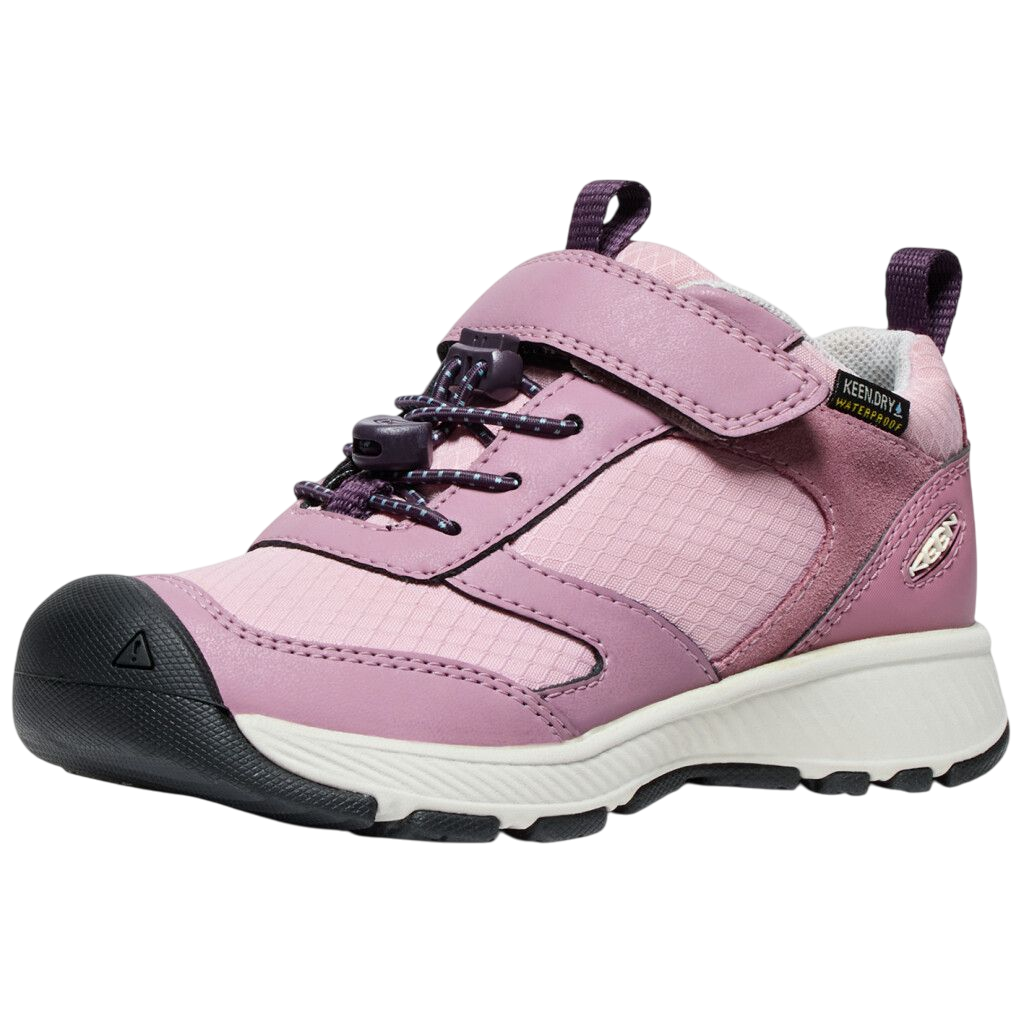
For simple trails a low shoe is often sufficient. When heading into rough terrain the hiking shoe should support the ankle so your child does not twist it. At the same time the shoe should be as light as possible, because heavy models quickly tire small feet. A well‑fitting shaft and lacing that starts far forward ensures a secure hold. Velcro fastenings may be convenient but often offer less stability in hiking shoes.
Tips for choosing & care
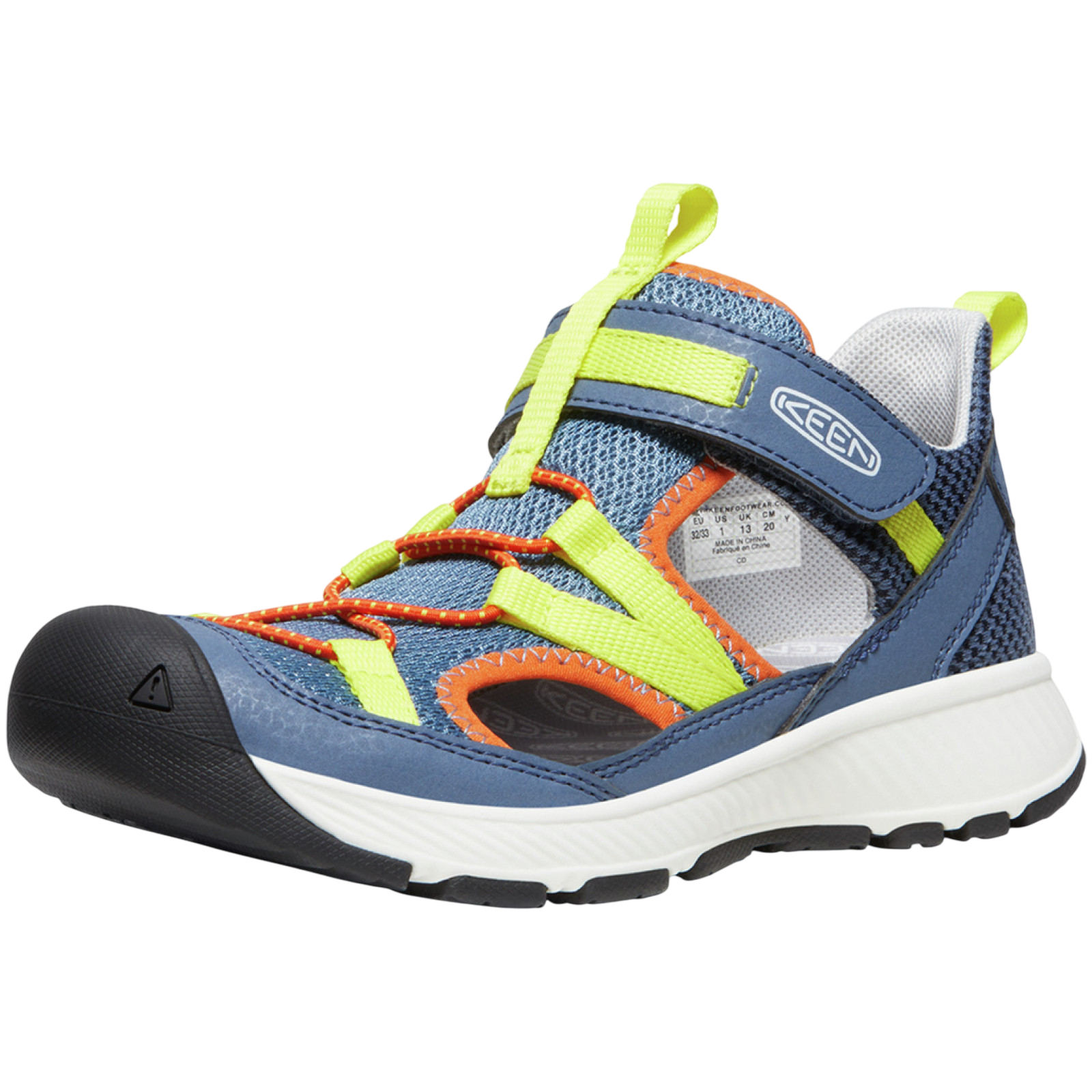
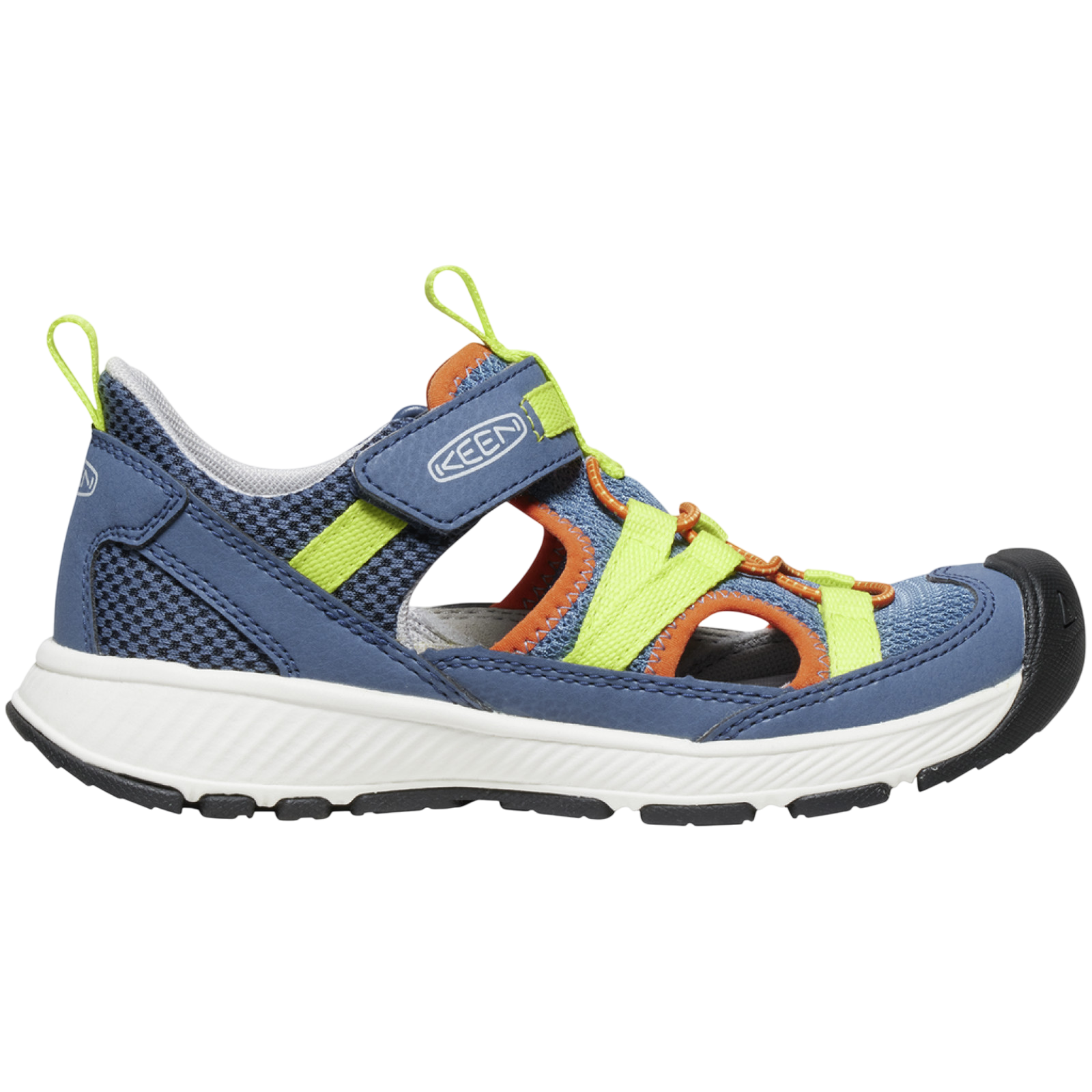
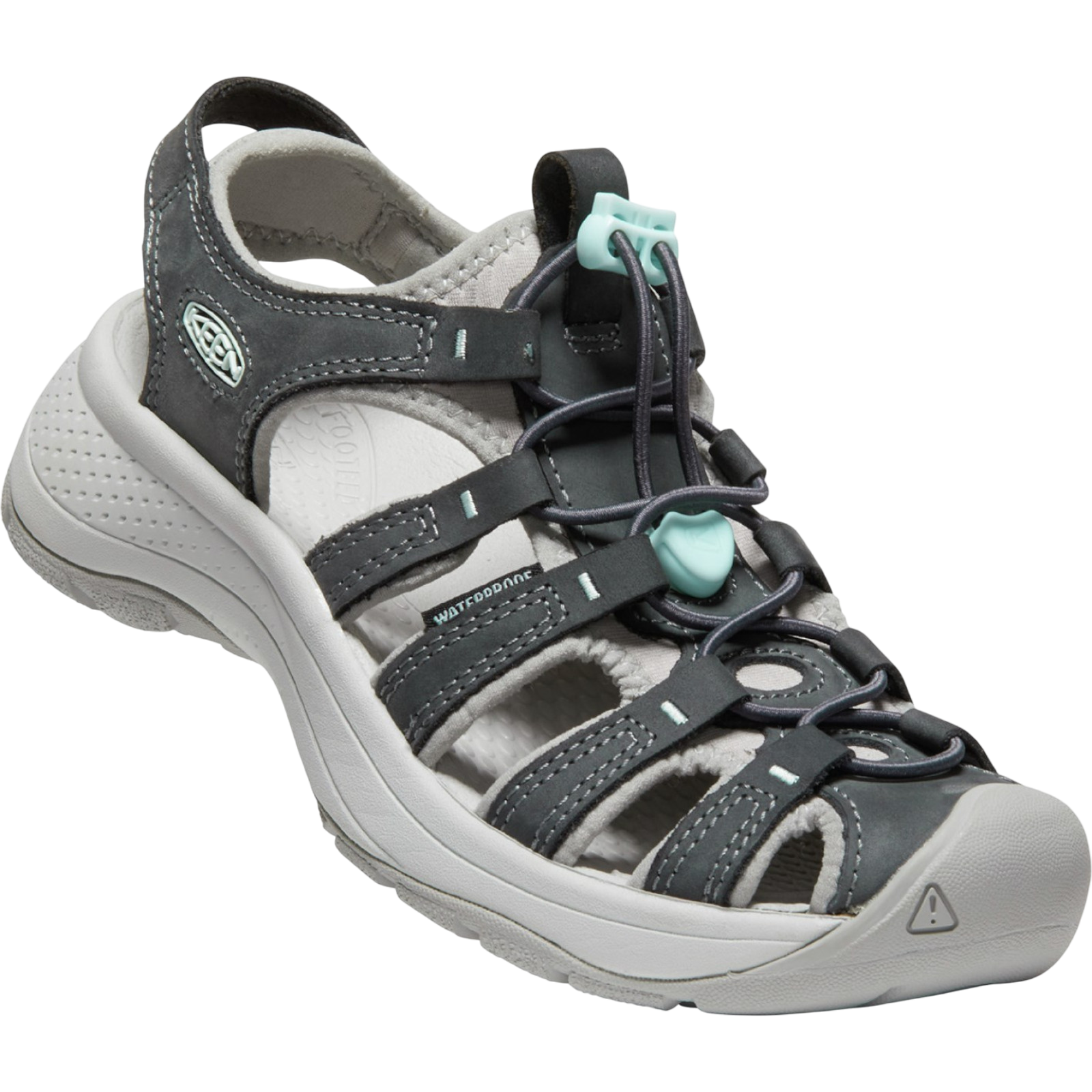
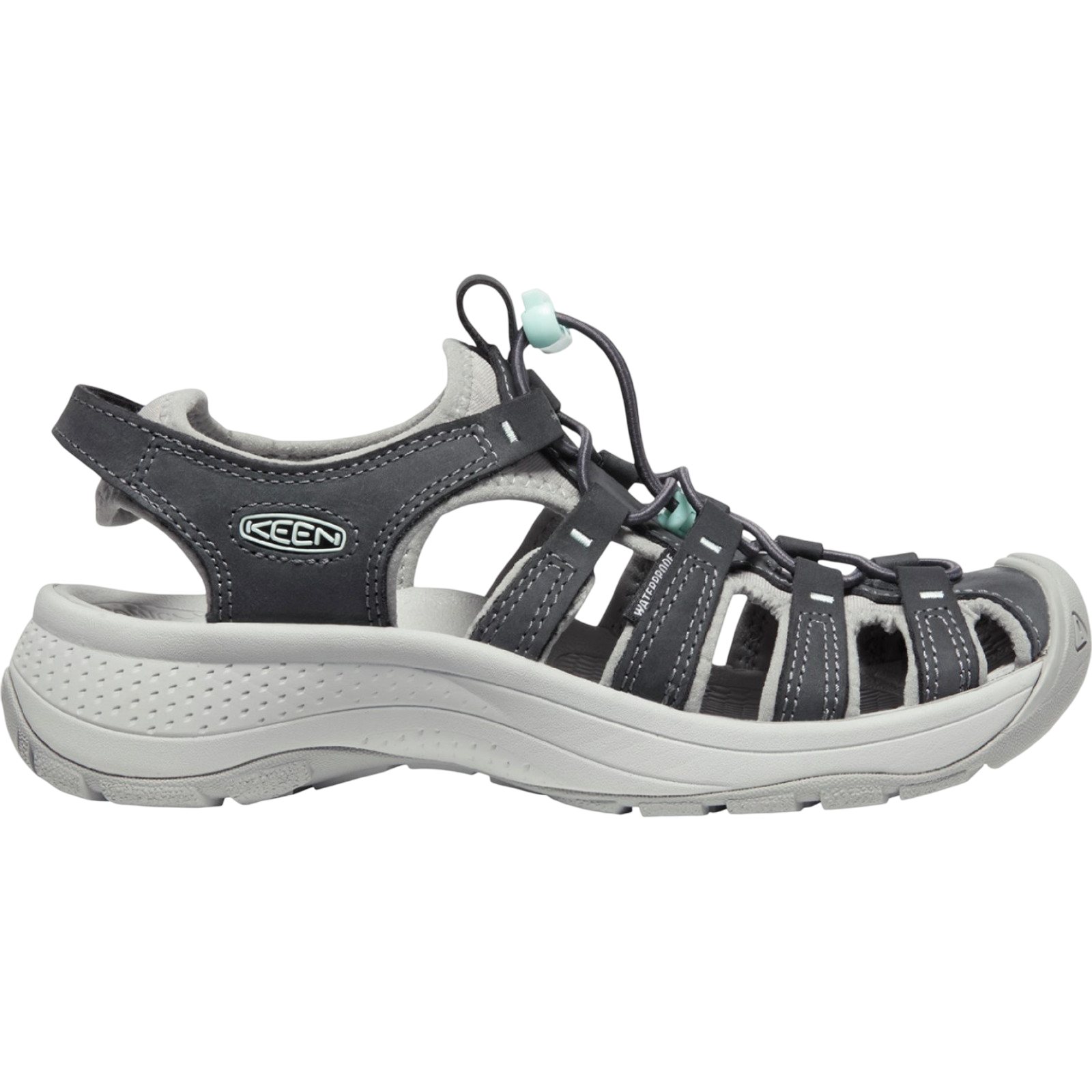
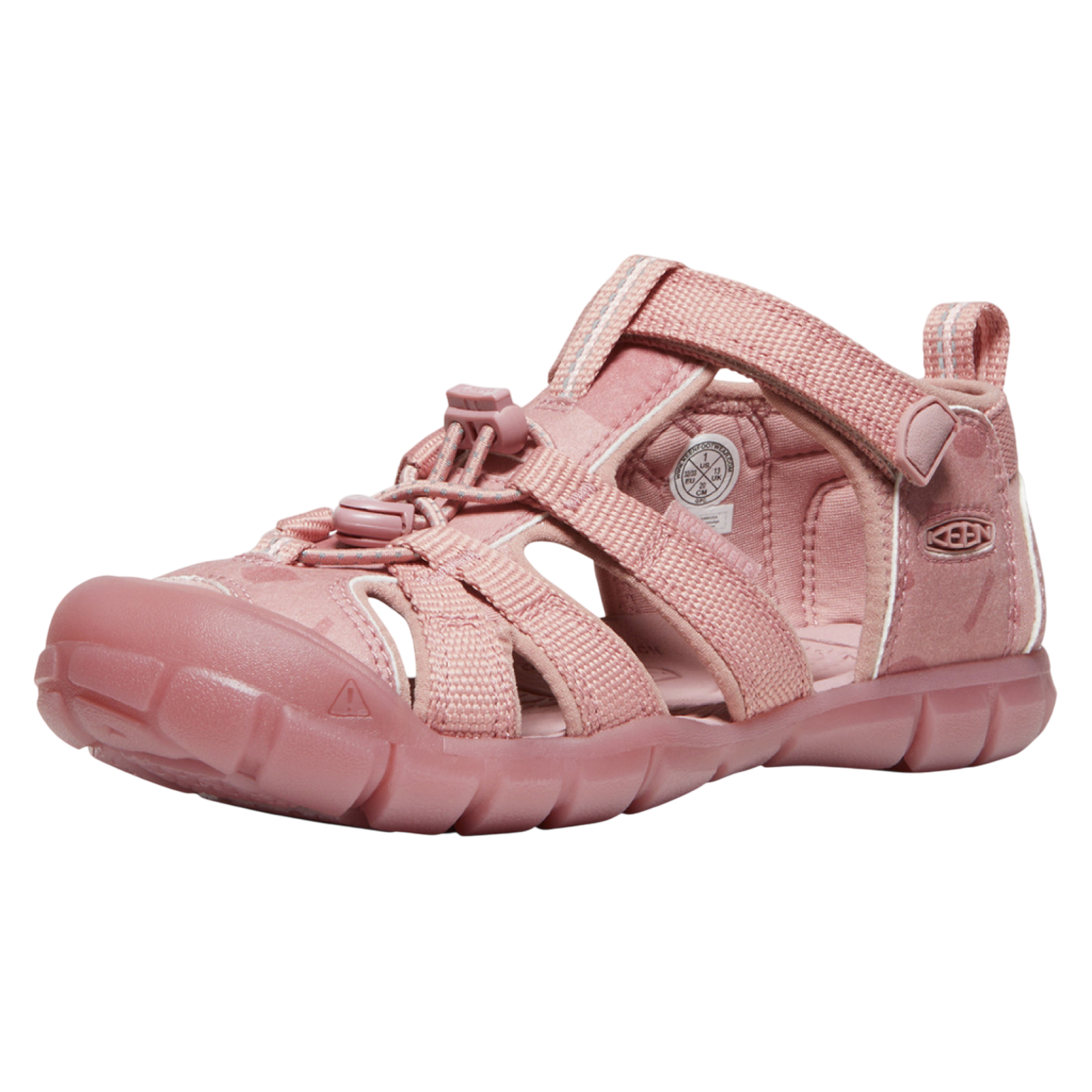
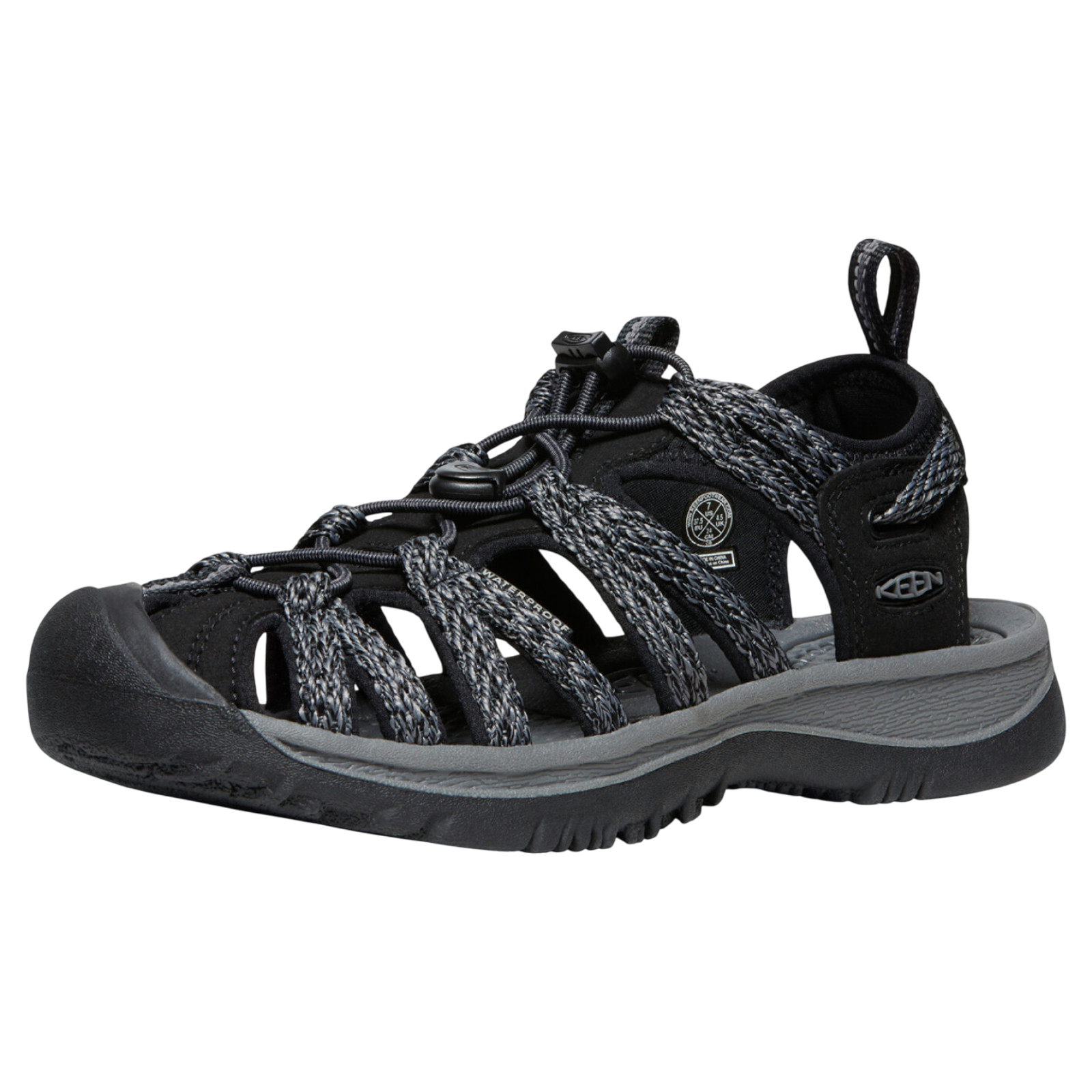
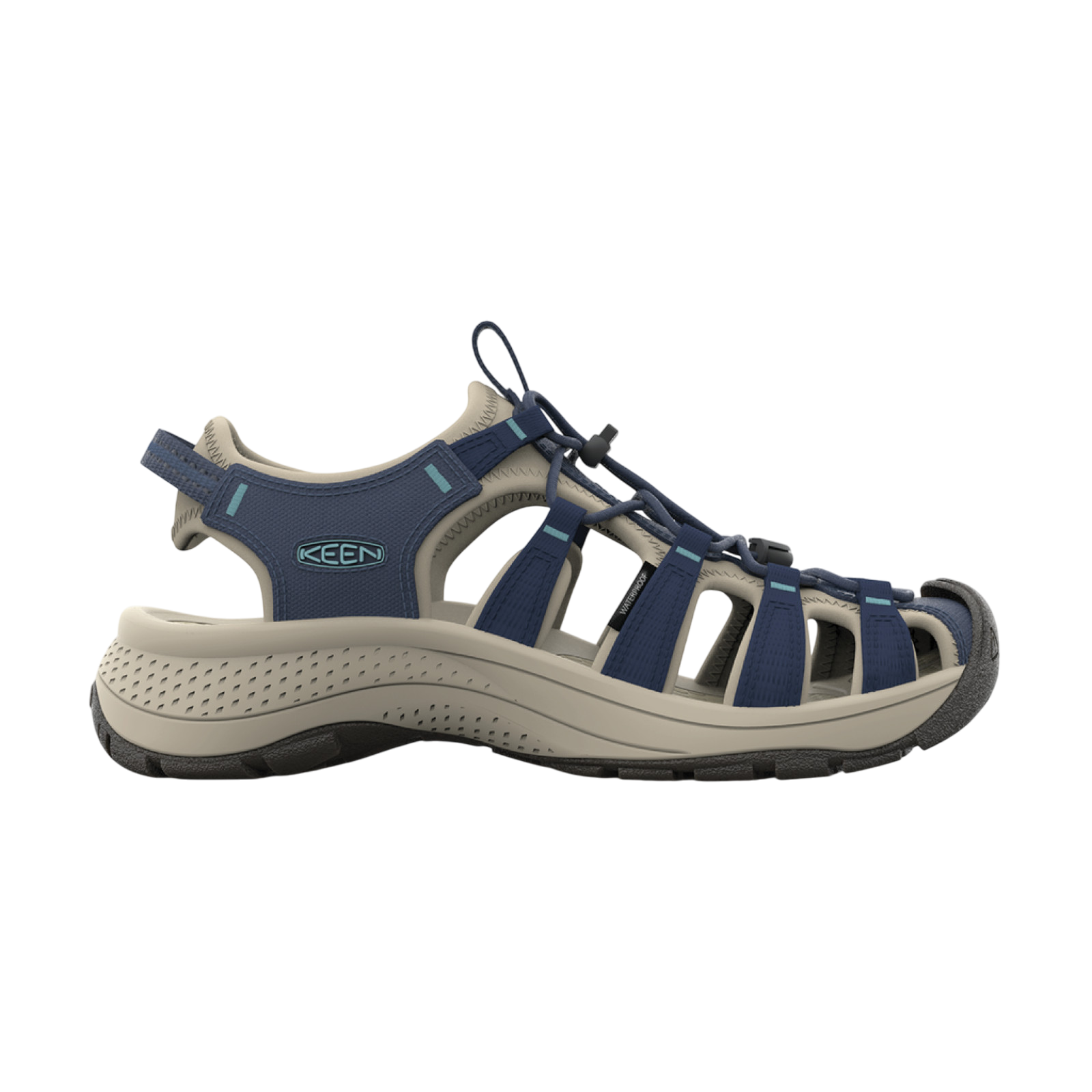
When buying it’s worth trying different models and testing the shoes with hiking socks. Give your child time to break them in and plan shorter tours before embarking on big expeditions. Good children's hiking shoes start at around 60 Swiss francs; used shoes are hardly recommended because worn soles and individual imprints affect the fit. After hiking let the shoes dry in the air and treat them regularly with waterproofing spray. For everyday wear choose sneakers or low shoes & ballerinas. For summer outings sandals and breathable socks provide comfort. Don’t forget a Müetzli and a soother in the backpack, and warm Finkli for the hat so little feet can relax after the hike.