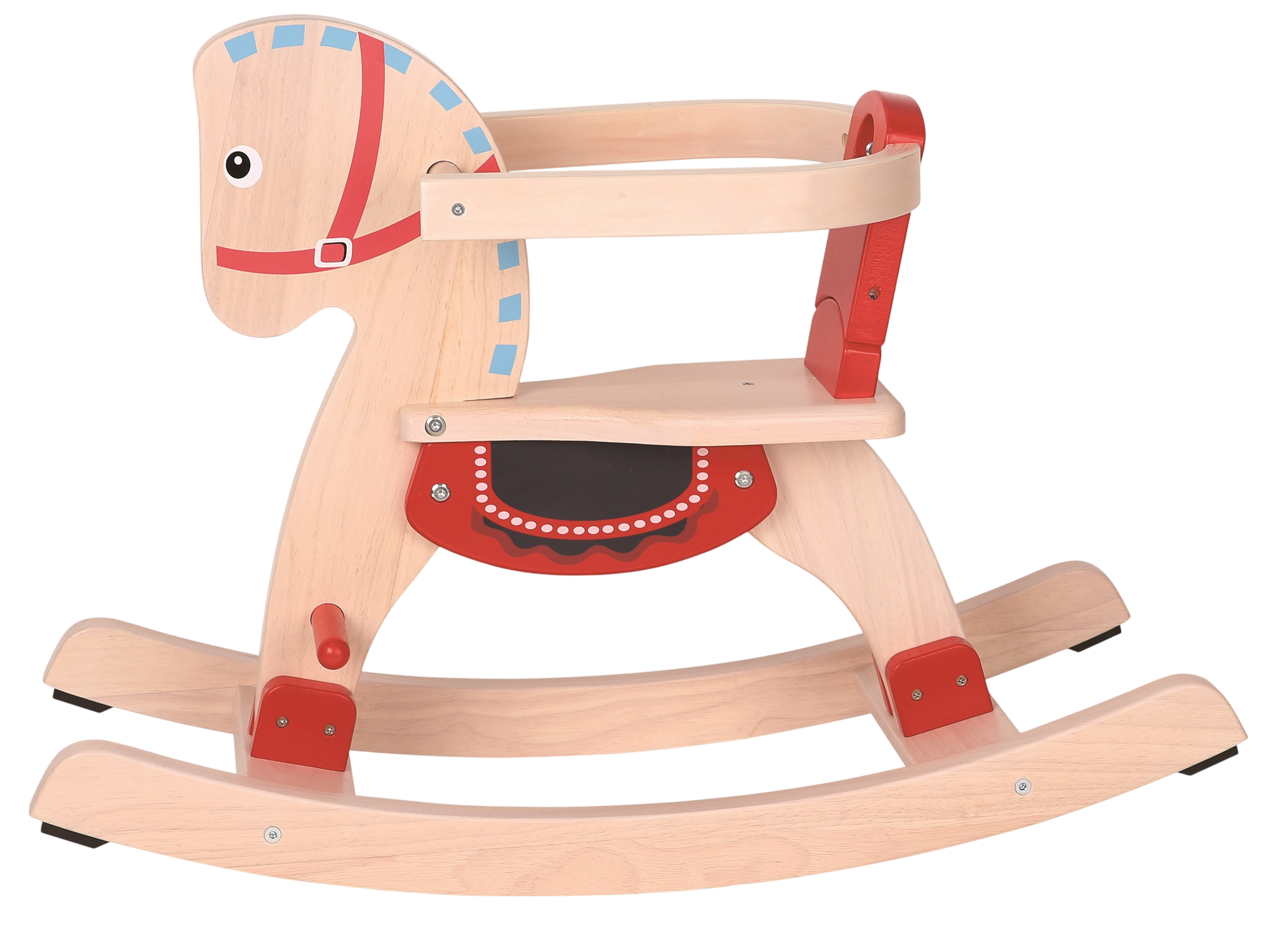
Rocking horses and ride‑ons: playful motor skills training
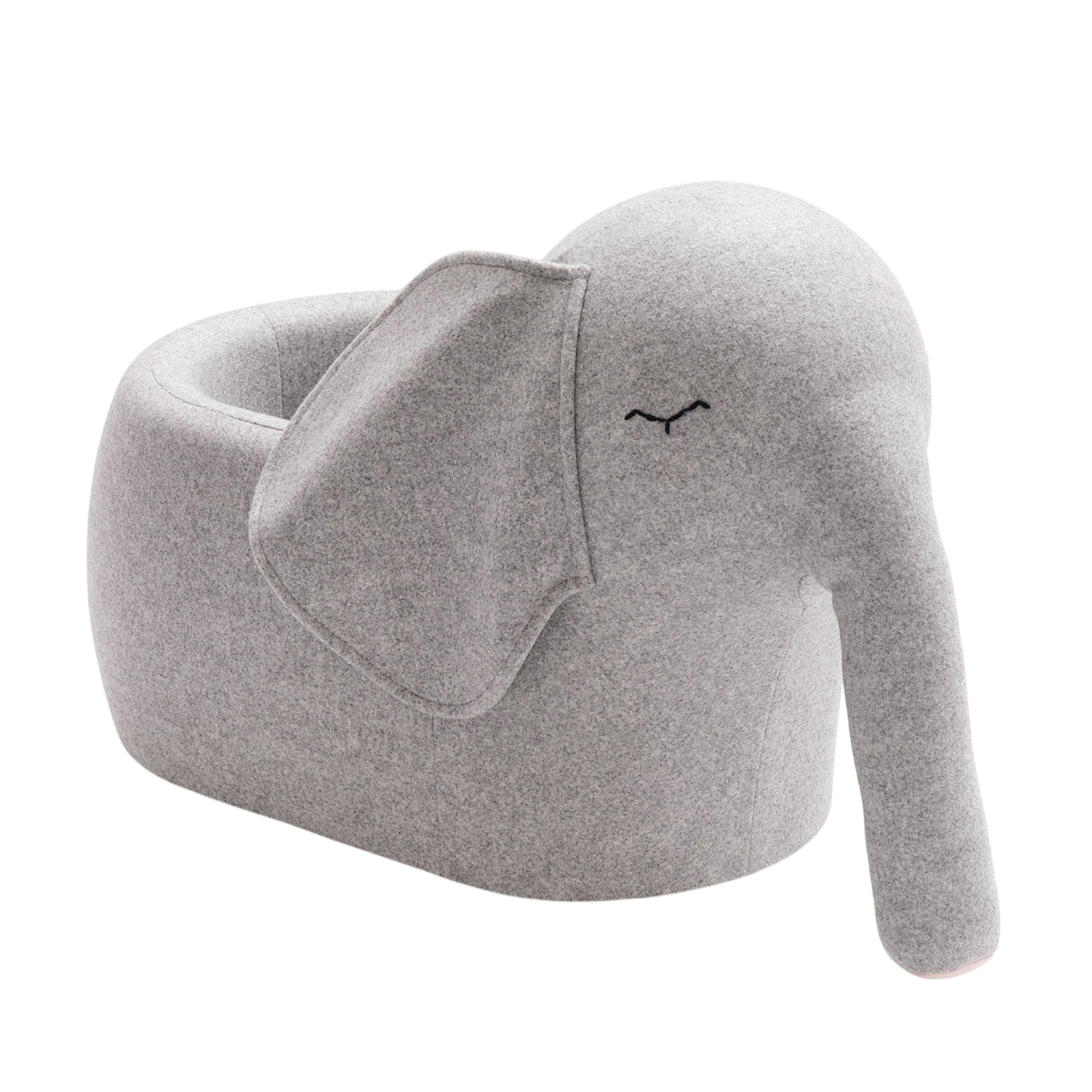
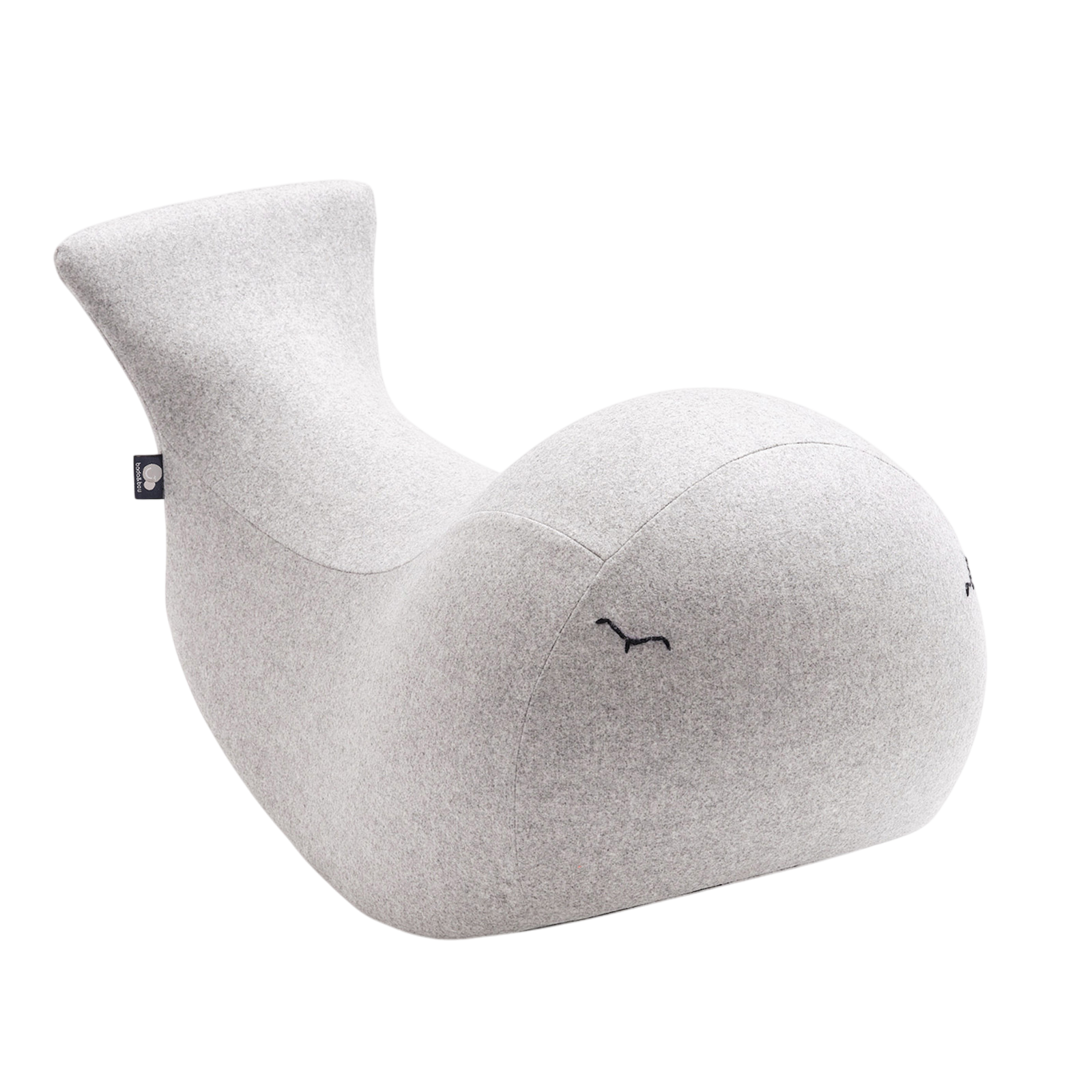
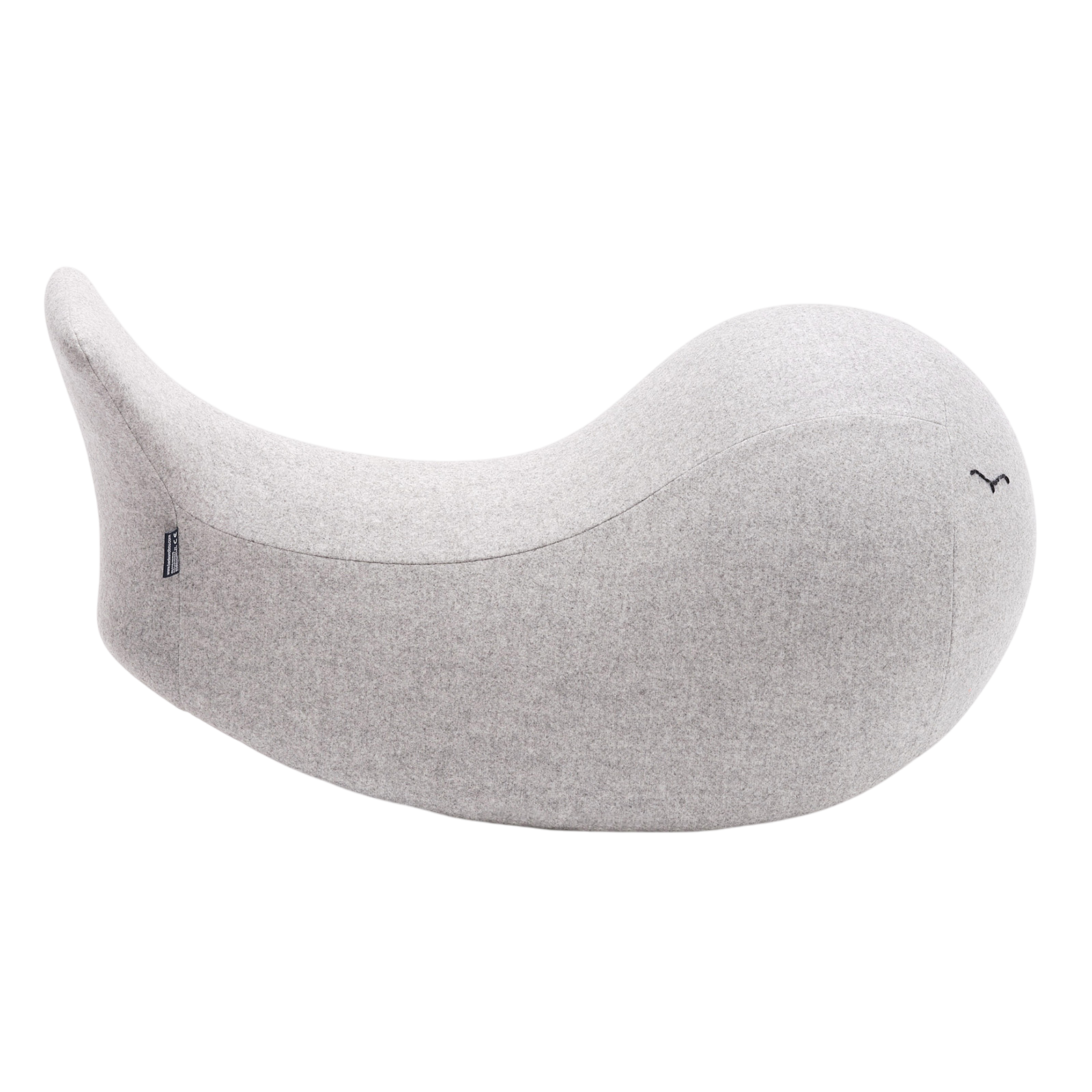
Rocking horses and ride‑on toys captivate children generation after generation. The rhythmic rocking trains great motor skills and balance. Constantly shifting weight strengthens the vestibular system and body awareness. From around eighteen months, when your child can sit and hold on, a rocking horse is an exciting first activity. Four‑wheeled ride‑ons are a great alternative for those first driving attempts. Complement your play area with a climbing or sliding set to provide more movement stimulation.
Materials and design of rocking horses
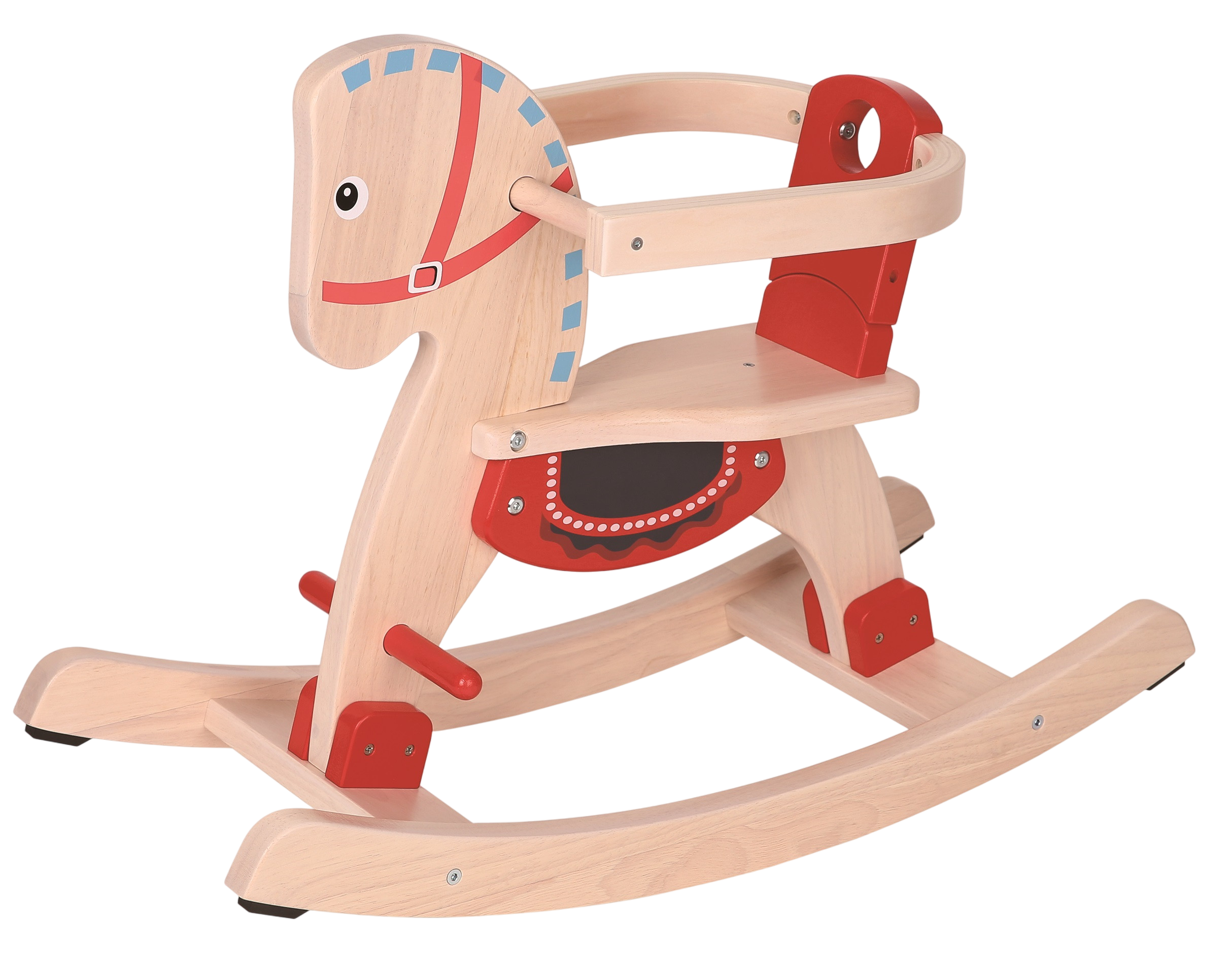
When choosing, pay attention to quality materials. A rocking horse made of solid wood is not only nostalgic but also robust and durable. Look for rounded edges, an ergonomic seat and non-slip handles and footrests. Natural finishes without toxic varnish are best for curious hands and mouths. Some models include safety bars to prevent younger children from falling off. For speedy rides on smooth floors, consider a ride-on toy with quiet wheels.
Imaginative journeys on a rocking horse
A rocking horse invites fantastic journeys: children imagine themselves as cowboys, knights or unicorn riders. This imaginative play strengthens creativity and allows them to experiment with different roles. They practice climbing on and off and gripping the handles, which improves coordination of hands, feet and eyes. Together with friends, they invent adventures that build social skills. Complementary equipment like swings & gym rings offers additional movement experiences.
Safety and practical advice
Even though rocking horses are stable, supervision is important. Place the horse on a flat, non-slip surface and stay nearby while your child rocks. For toddlers, models with a safety bar and backrest are helpful. Show your child how to get on and off safely. Regularly check screws and the stability of the frame. With proper care, the rocking horse will be a trusty companion, providing plenty of fun and exercise.