Mounting mirrors safely in the child's room
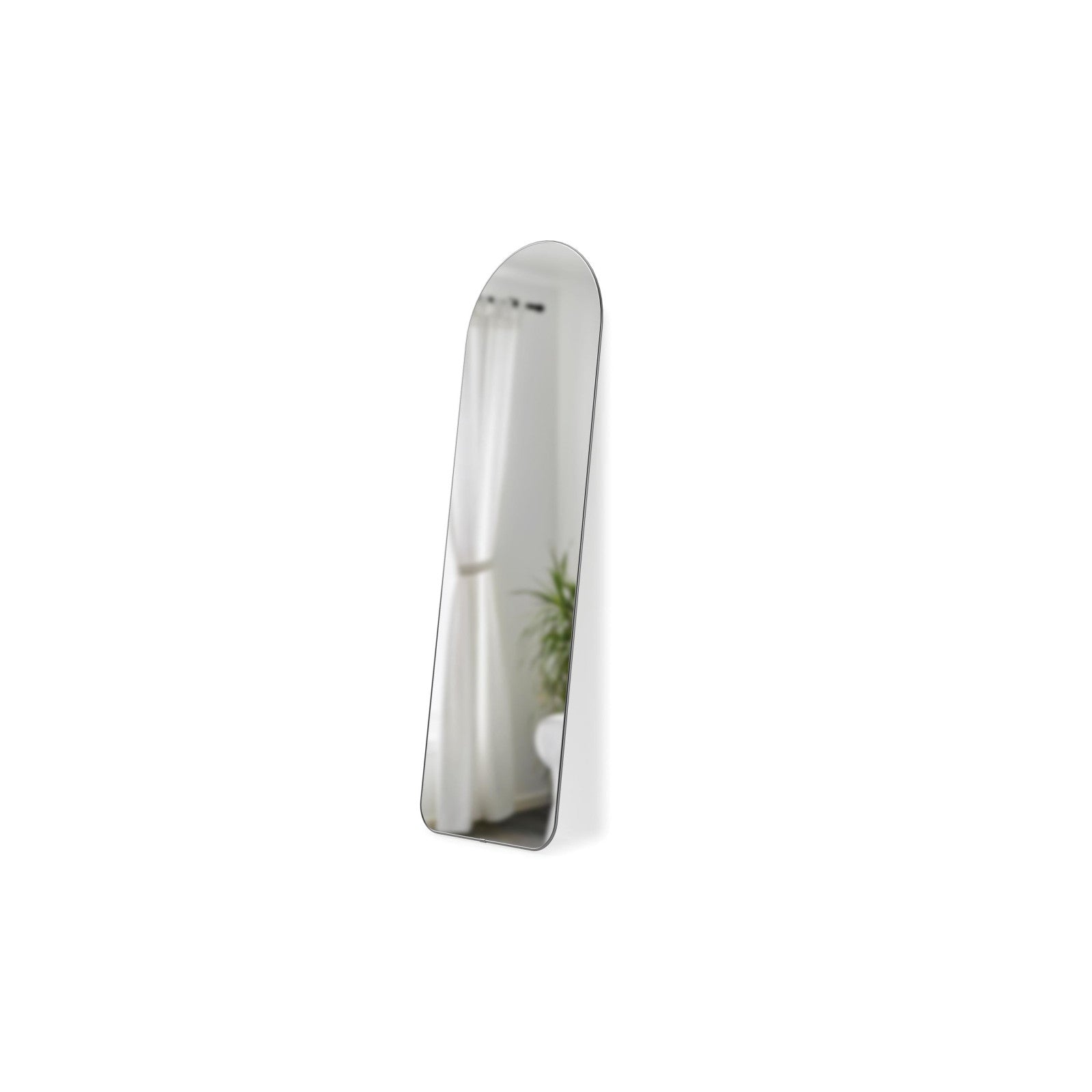
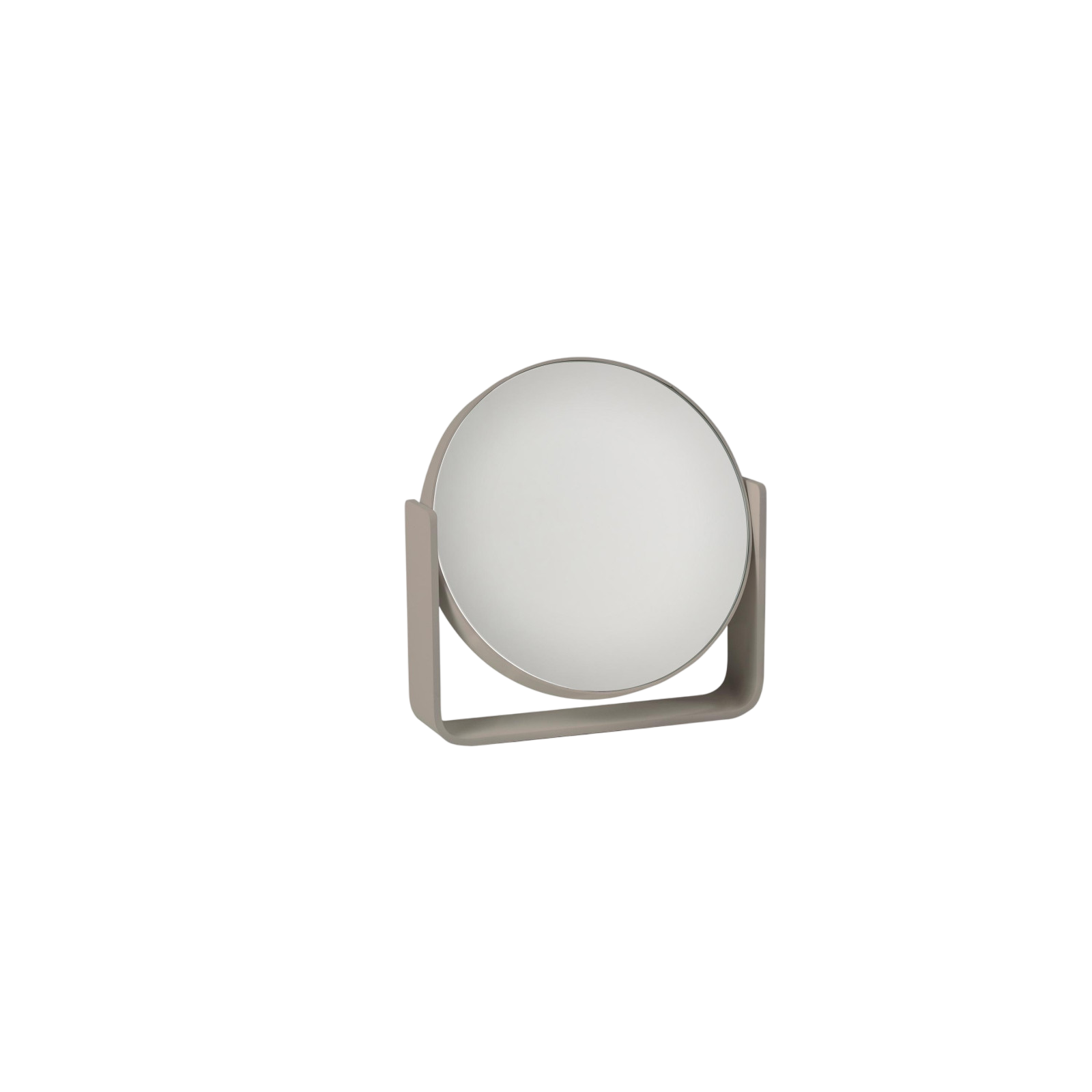
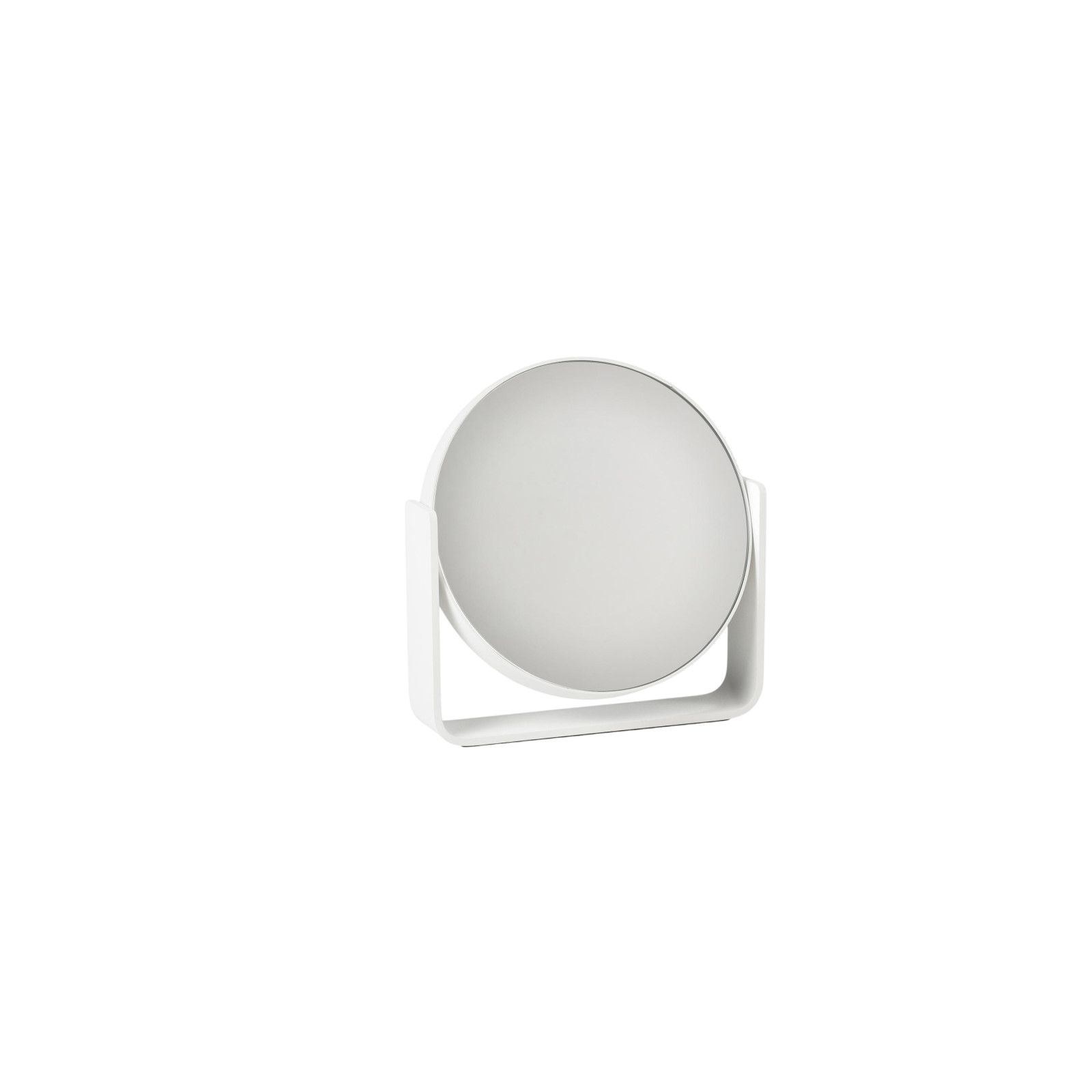
A mirror in a child's room is more than decoration. It helps children discover their own reflection and build self-awareness. Choose shatterproof materials like acrylic or safety glass and mount the mirror securely on the wall so it cannot tip over. Free‑standing models are unsuitable for toddlers because they can be knocked over. With a fun hat, everyday styling becomes a game.
Supporting development and imagination
Mirrors support self-perception and motor development because children watch their movements and gestures. Dressing up, dancing or making funny faces – a mirror offers endless possibilities for creative play. It also visually enlarges the room and brings light into dark corners. Combine the mirror with wall decor or posters to create a welcoming atmosphere.
Combination ideas for the children's room
A mirror pairs well with a gentleness child's room lamp. Warm light creates cosiness and highlights the reflection. A small shelf or play table beneath the mirror offers space for creative activities. Dress‑up clothes and hats encourage imaginative play and make the mirror even more fun.
Care and sustainability
Clean mirrors regularly with a soft cloth and mild cleaner to keep them clear. Avoid harsh detergents that could scratch acrylic. Check the mounting regularly, especially if children pull on the mirror. Choose durable products made from sustainable materials that can be easily recycled. This keeps the child’s room safe and eco‑friendly.
Design and shape variations
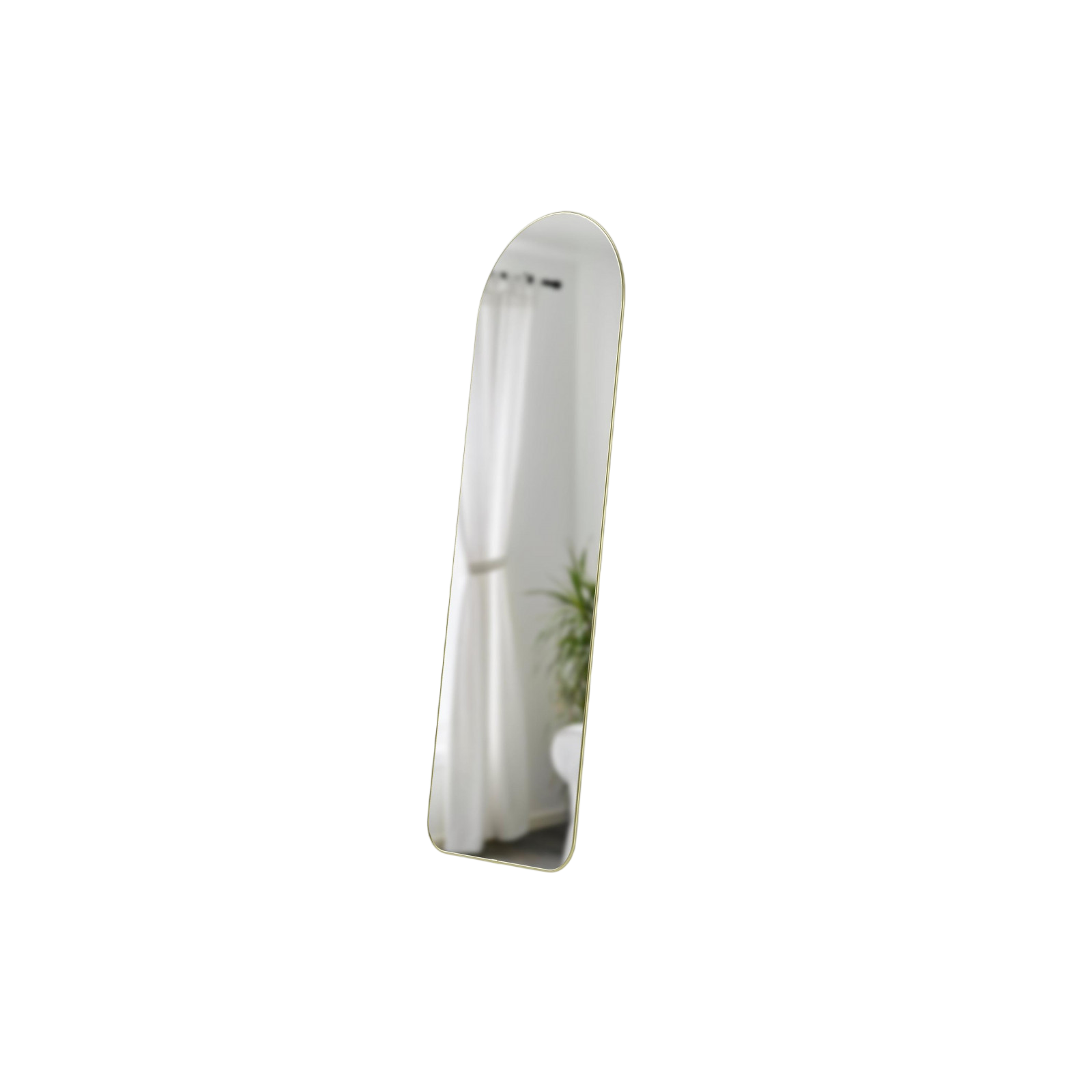
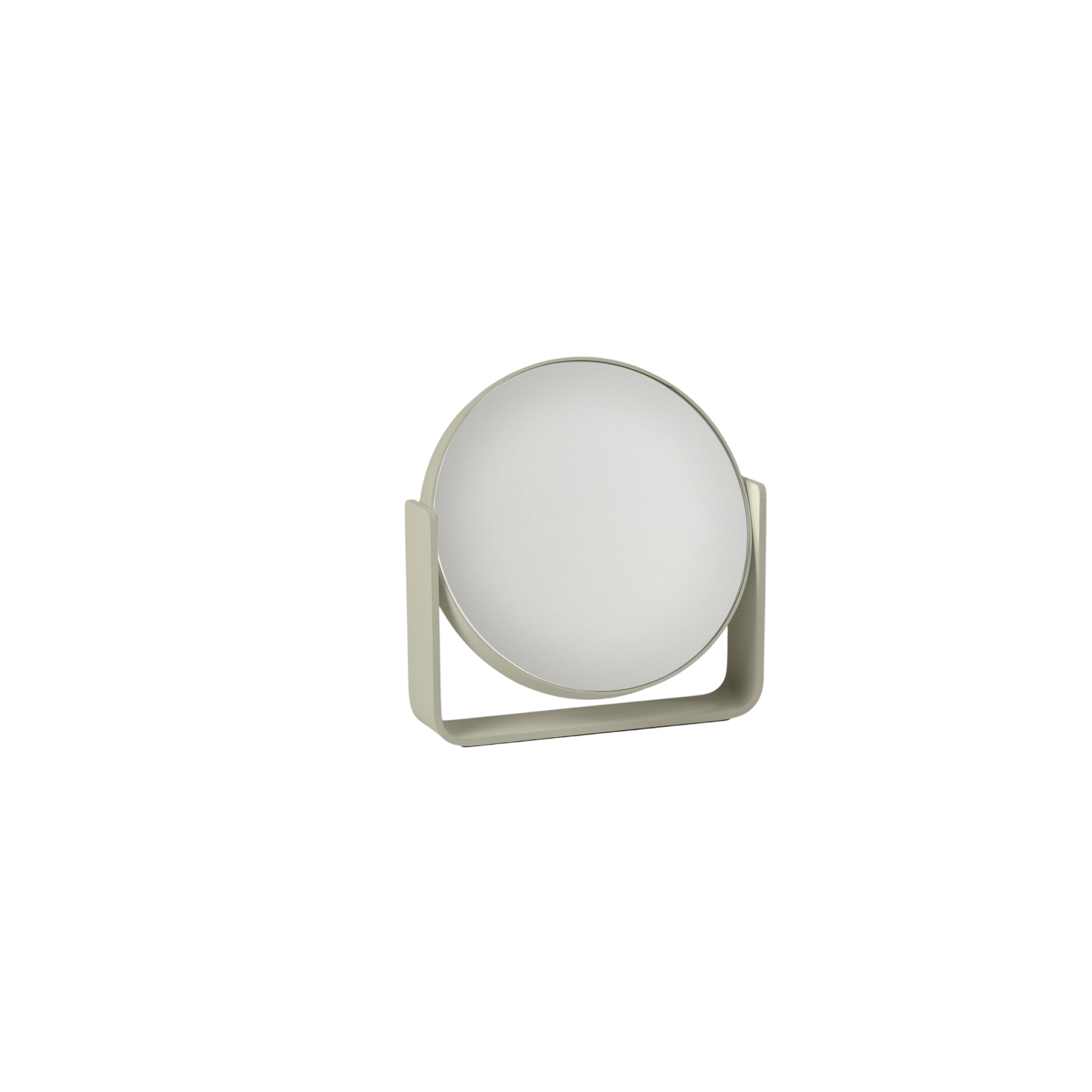
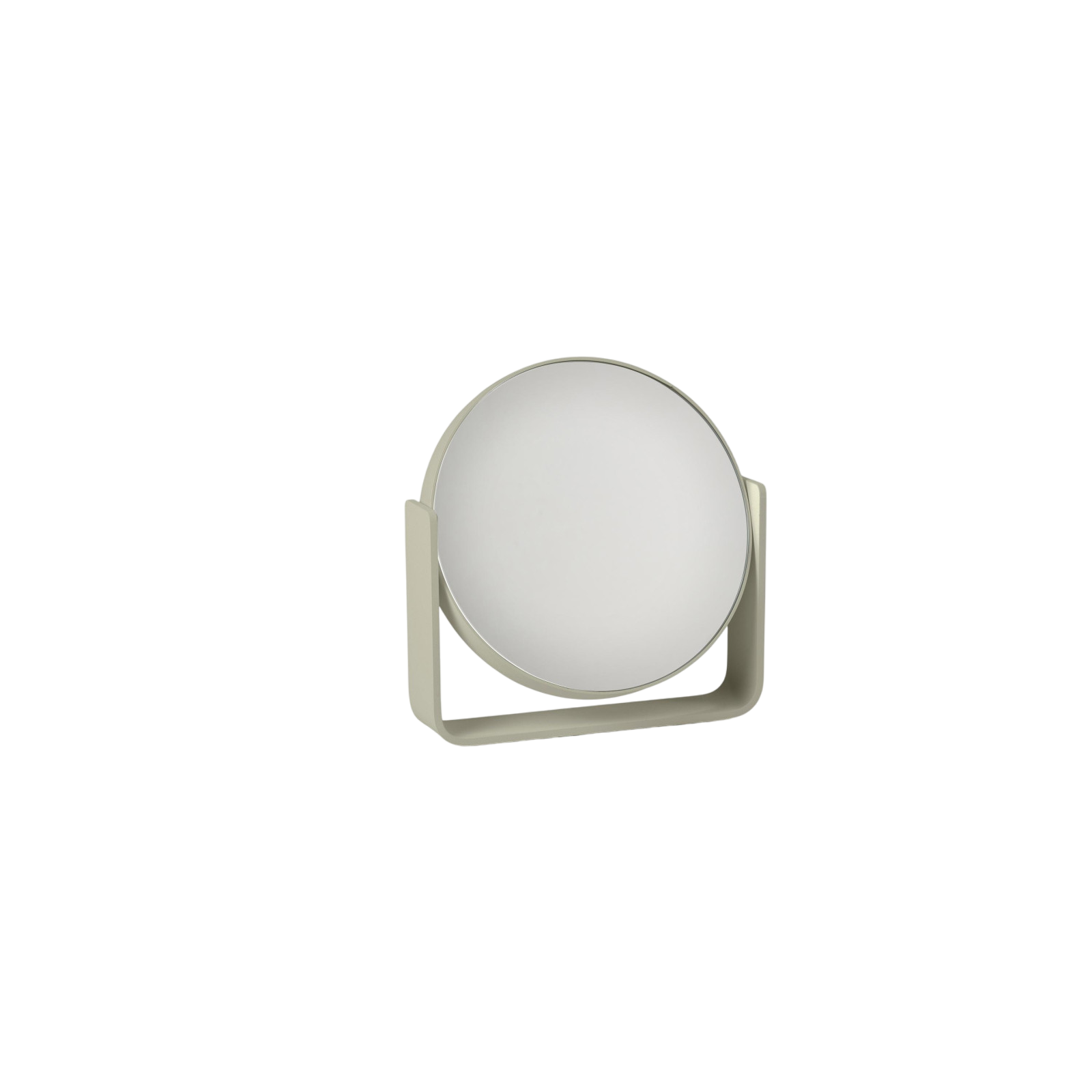
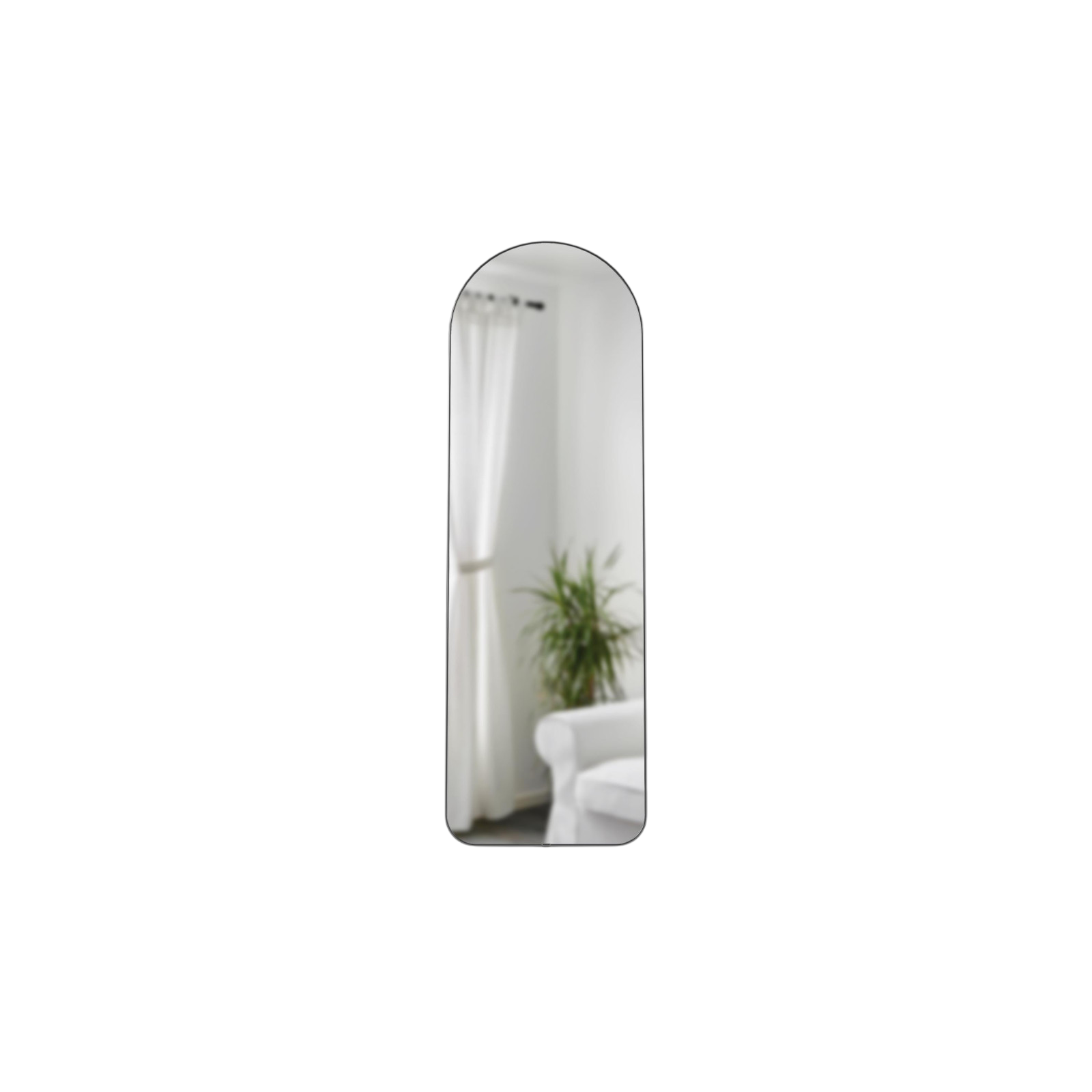
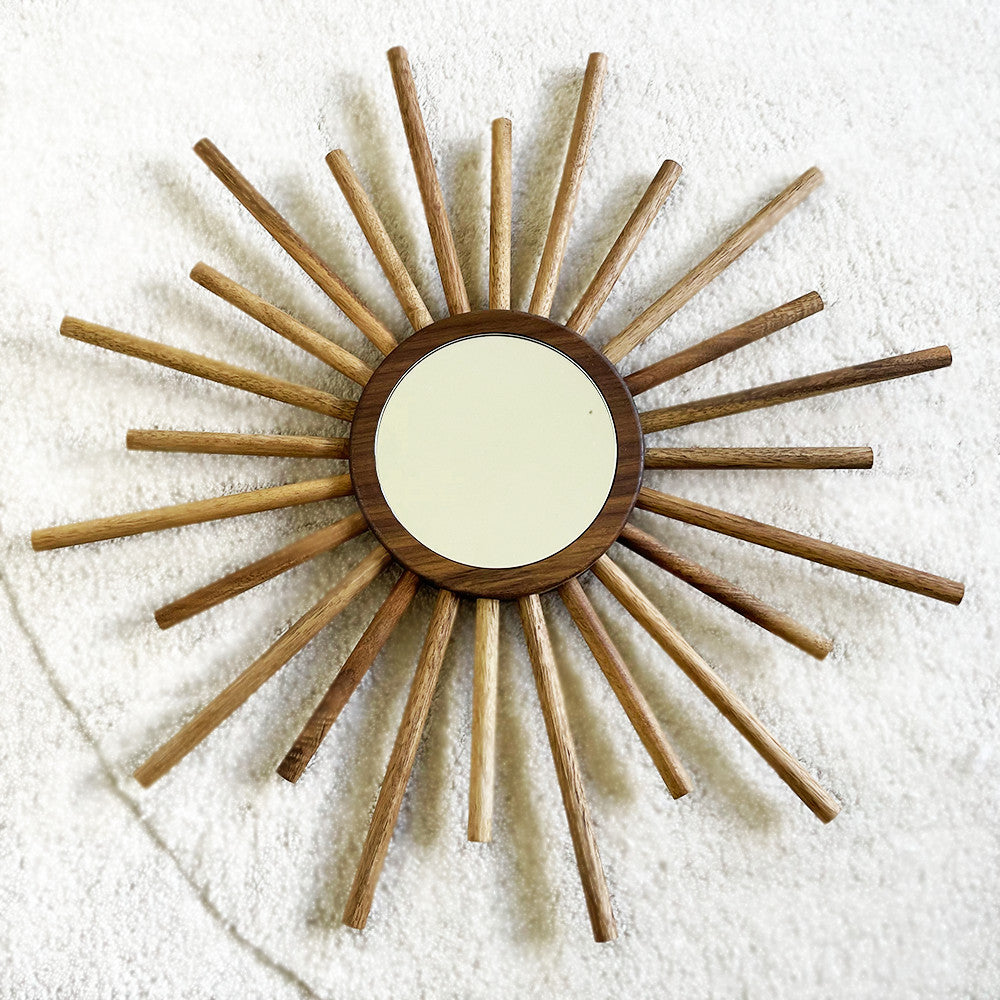
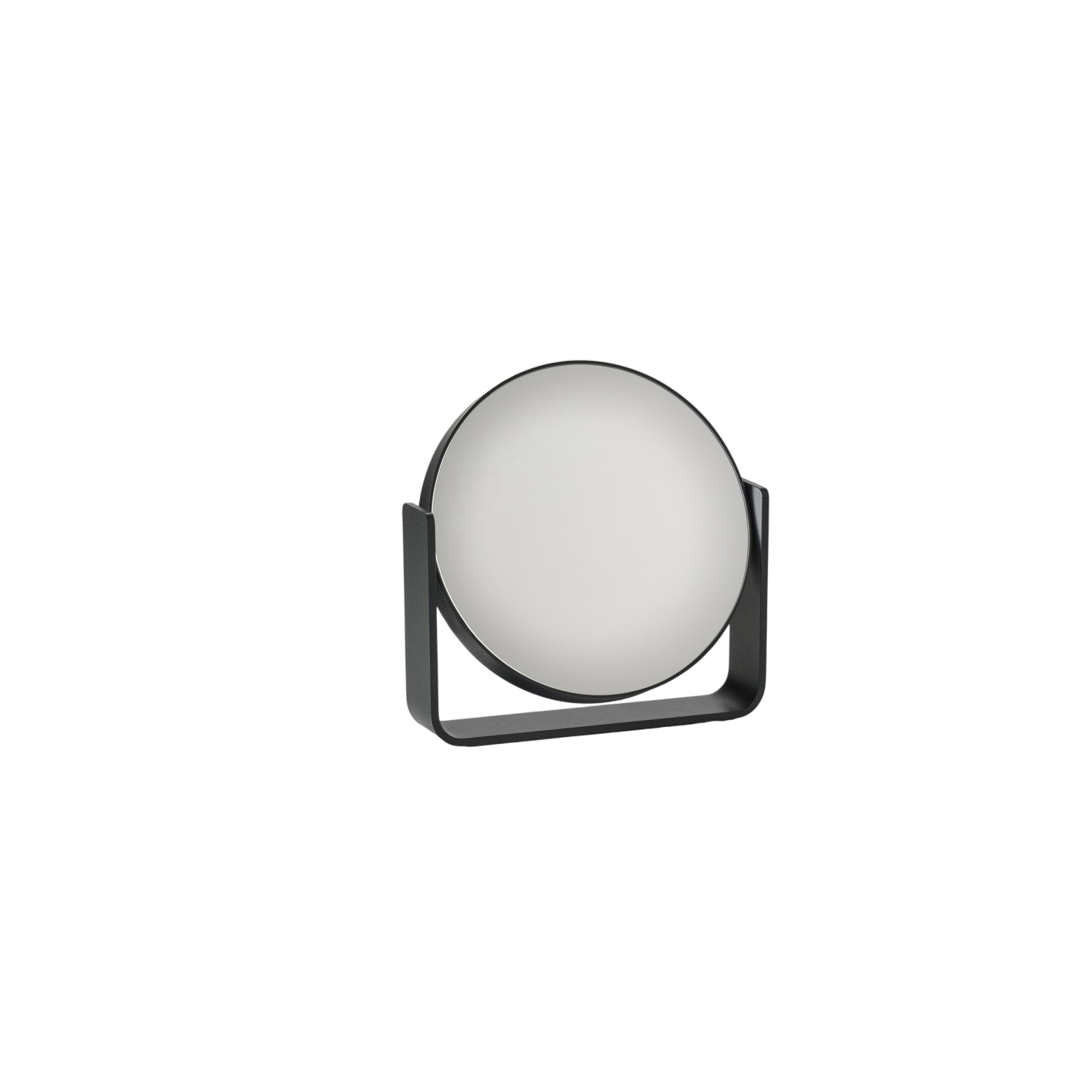
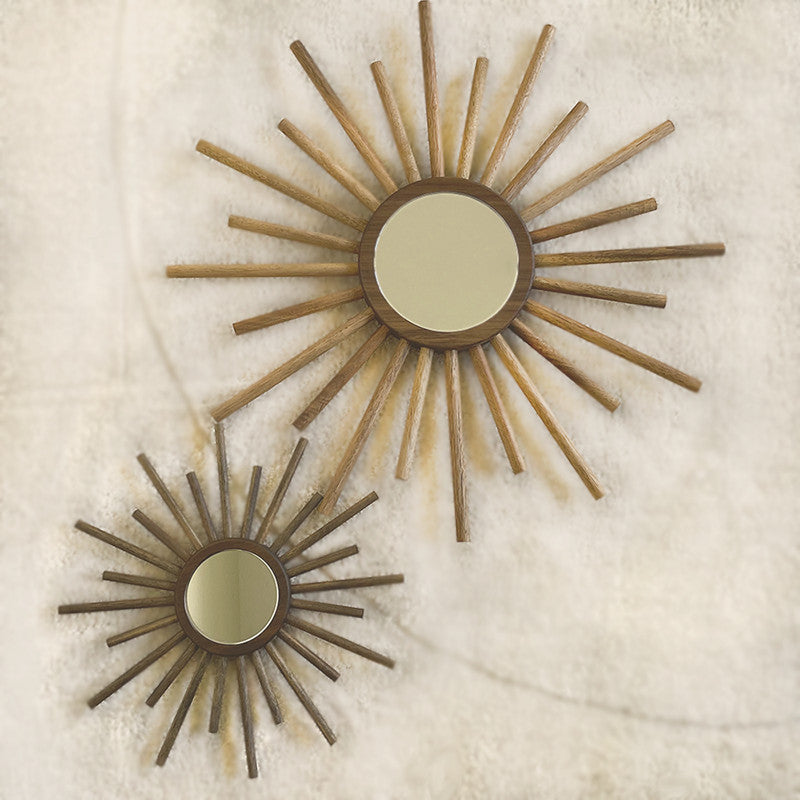
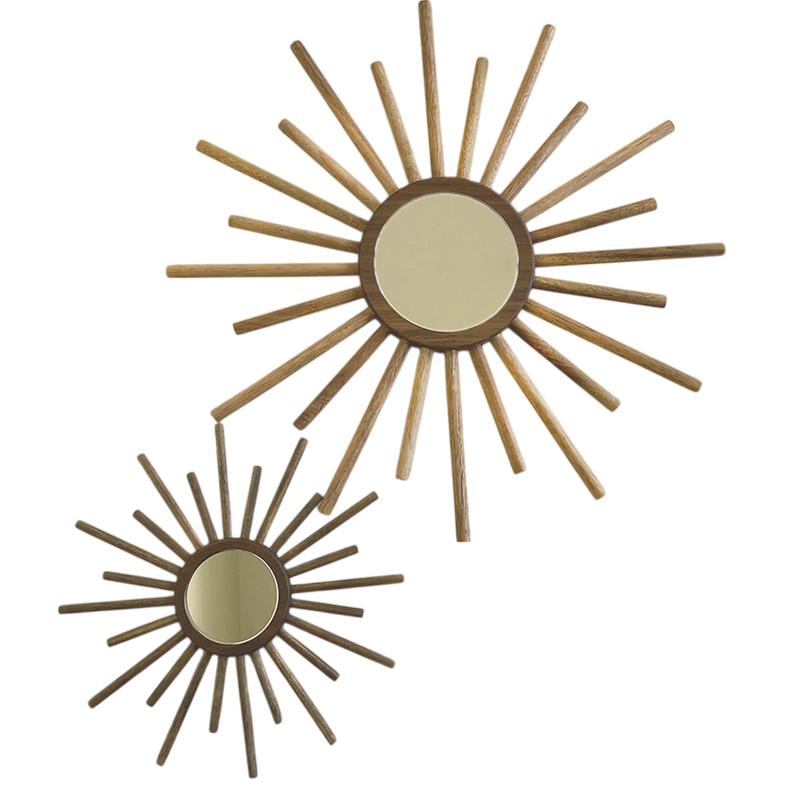
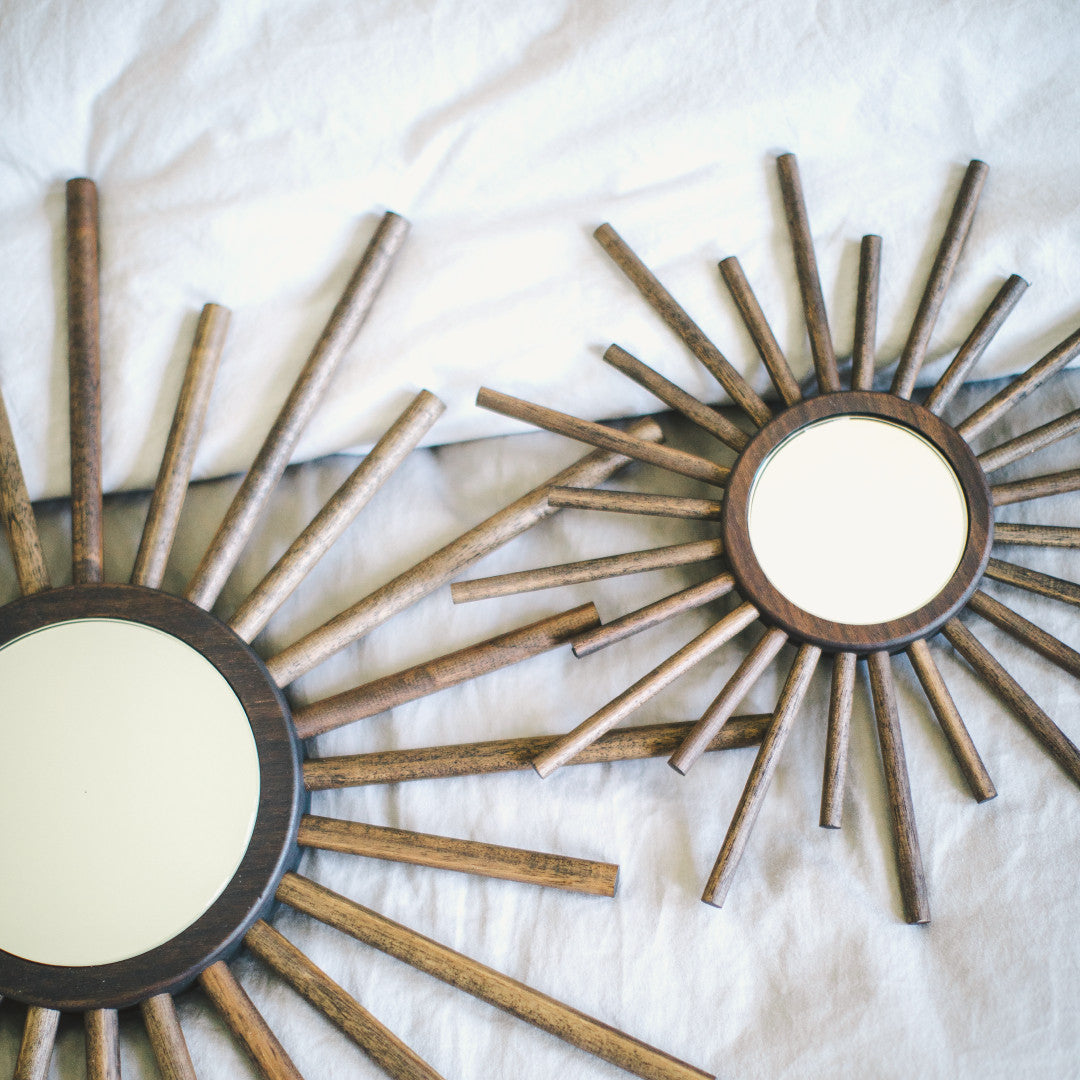
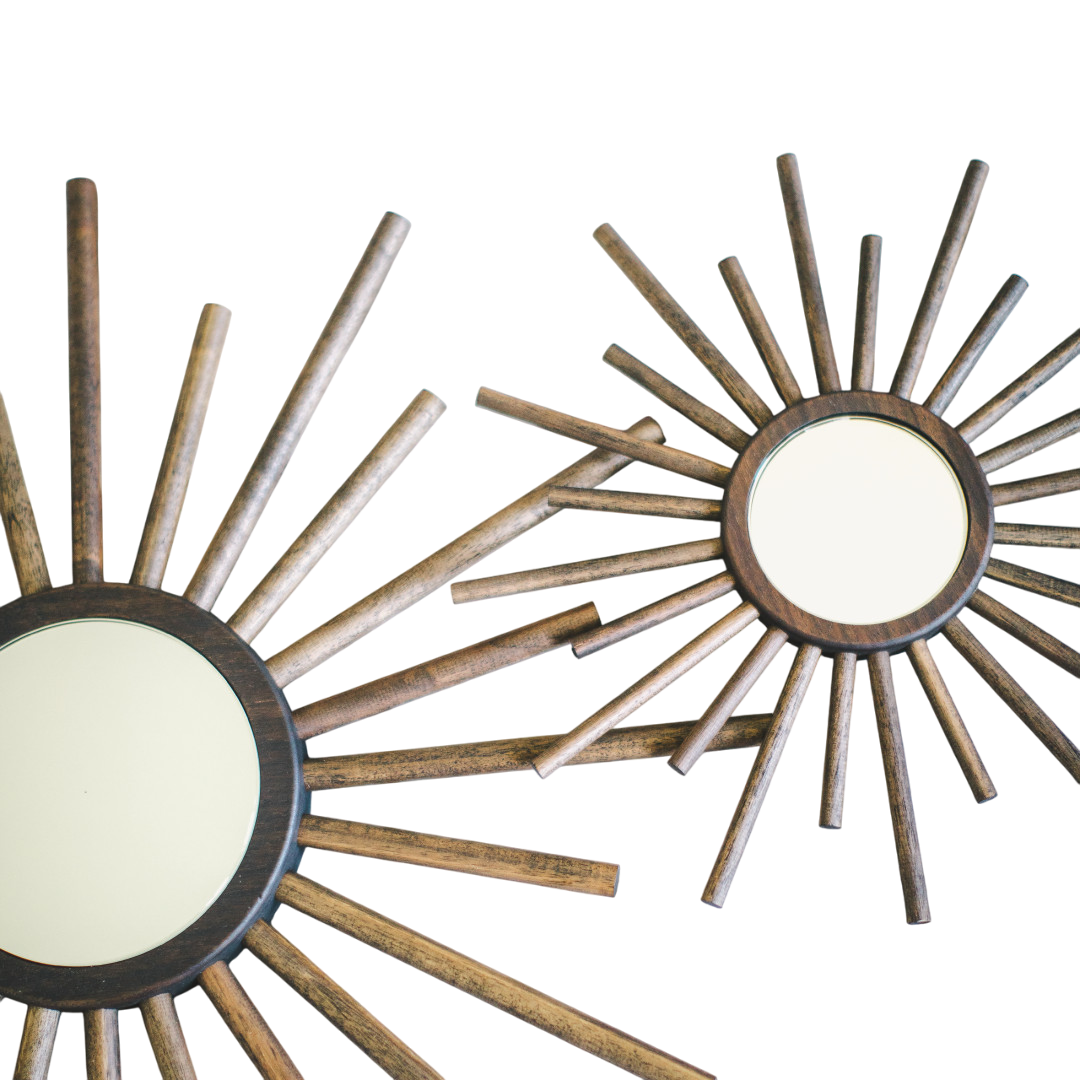
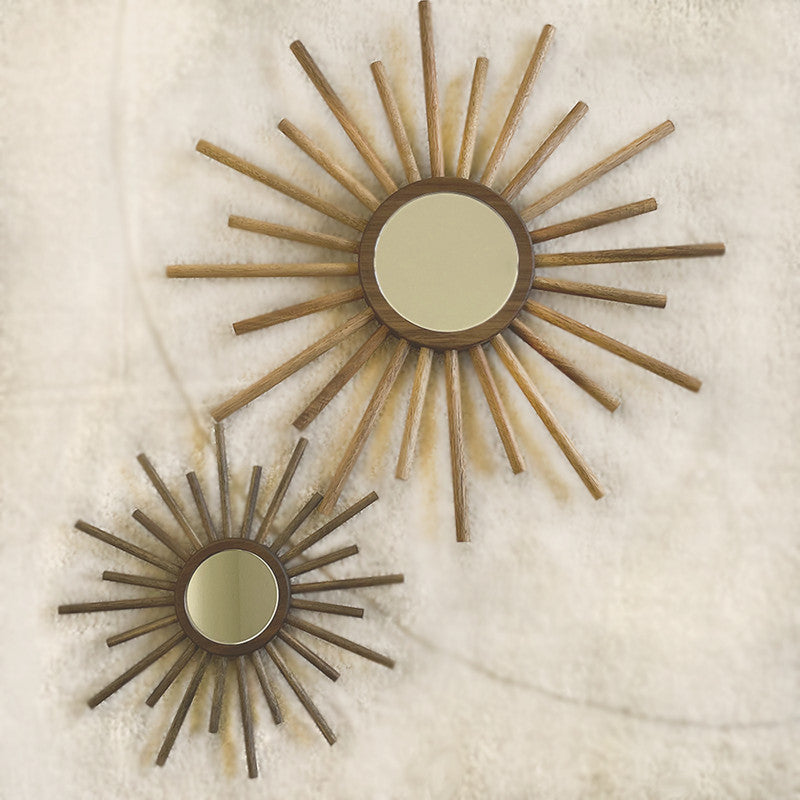
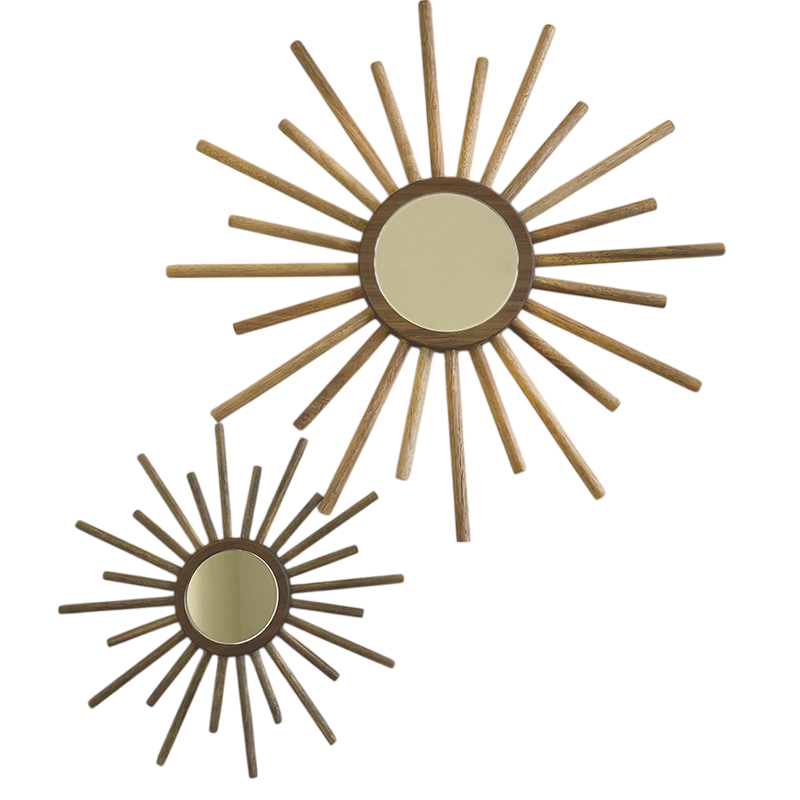
Besides the classic rectangular shape, there are mirrors in round, oval or cloud shapes that give a playful look to the child’s room. Frames made of wood suit a Scandinavian interior, while colored plastic frames add a modern accent. A mirror with a shelf provides space for hairbands, a toothbrush or a hat. Choose a size that lets your child see themselves well and mount the mirror at eye level.
Play and learn in everyday life
In everyday life, the mirror supports many routines: when brushing teeth or combing hair, your child develops independence and learns self-care. Playfully express feelings by trying out different facial expressions – this expands vocabulary and fosters empathy. When dancing or doing yoga, your child practices coordination and body awareness. Thus, a mirror is not only decoration but also an important learning tool.
Ensure you do not mount the mirror directly above the bed so it cannot fall. Soft padding on the corners offers extra protection.